Retro Chunky: Bringing 70s Groovy Typography to Modern Design Projects
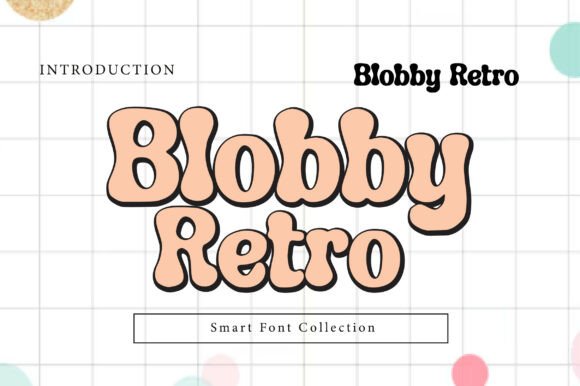
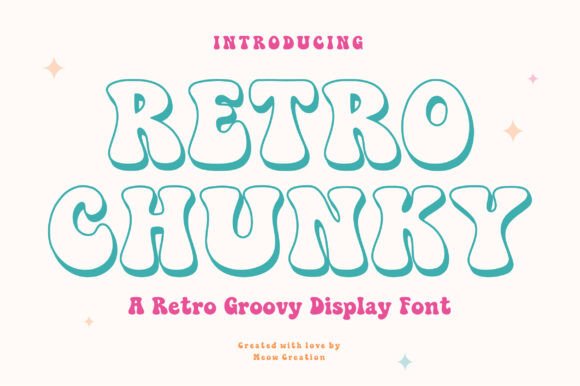
There is a distinct warmth to 1970s typography that modern minimalist fonts often lack. It is a style defined by optimism, fluidity, and an unapologetic boldness that demands attention without feeling aggressive. Retro Chunky captures this specific nostalgic energy, translating classic groovy aesthetics into a functional display font for contemporary creators. Unlike distressed or grunge-style retro fonts that mimic age and wear, Retro Chunky focuses on the pristine, bubbly geometry of the era. Its smooth curves and integrated outline shadow create a sense of depth and playfulness that feels fresh rather than dated.
For designers and hobbyists navigating the current resurgence of Y2K and 70s revival trends, this typeface serves as more than just a decorative element. It acts as a visual anchor. The built-in outline shadow eliminates the need for complex layering in design software, allowing for instant dimensionality. Whether you are designing merchandise for a boutique brand or creating digital assets for social media, understanding how to leverage the specific personality of Retro Chunky can elevate your work from generic nostalgia to intentional, polished design.
Elevating Apparel and Sublimation Designs
The most immediate application for Retro Chunky lies in the world of print-on-demand and custom apparel. T-shirt design relies heavily on readability from a distance and instant emotional connection. The bubbly letterforms of this font are inherently friendly, making them ideal for positive messaging, band names, or vintage-style slogans. Because the font features a clean outline shadow, it performs exceptionally well in sublimation printing where high contrast is necessary for vibrant color transfer.
Consider the practical challenges of screen printing or heat transfer vinyl (HTV). Intricate serifs or thin hairlines often get lost or peel over time. Retro Chunky’s substantial weight and smooth connections solve these production issues naturally. When designing tote bags or sweatshirts, the font’s chunky proportions fill space efficiently without requiring excessive ornamentation. A simple three-word phrase set in Retro Chunky, arched slightly, creates a complete composition that looks professional and store-ready. For sellers on platforms like Etsy, this efficiency means faster turnaround times and designs that photograph well in mockups due to their bold silhouette.
Branding for Lifestyle and Niche Markets
Beyond merchandise, Retro Chunky finds a strategic home in branding for businesses that want to communicate approachability and creativity. This is particularly relevant for industries targeting millennials and Gen Z consumers who associate 70s aesthetics with authenticity and sustainability. Coffee shops, plant stores, artisanal bakeries, and wellness brands can utilize this typeface in logos and packaging to signal a relaxed, human-centric vibe.
However, successful branding requires restraint. While the font is versatile, its strong personality means it should typically serve as the primary display face rather than body copy. Pairing Retro Chunky with a clean, neutral sans-serif or a simple monospaced font creates a balanced hierarchy. The groovy display font grabs attention on signage or product labels, while the supporting typeface handles nutritional information, pricing, or detailed descriptions. This combination prevents the brand identity from becoming a caricature of the 70s, grounding the retro aesthetic in modern usability.
Digital Content and Social Media Graphics
In the fast-scrolling environment of Instagram, TikTok, and Pinterest, typography must perform double duty: it needs to be legible at small sizes and distinctive enough to stop the scroll. Retro Chunky’s bold weight translates surprisingly well to digital screens. The outline shadow provides necessary separation from busy photographic backgrounds, ensuring text remains readable even when overlaid on colorful images or video content.
Content creators focusing on lifestyle, fashion, or DIY niches can use this font to create cohesive template systems. Because the letterforms are uniform and geometric, they are easy to animate in tools like Canva or After Effects. Kinetic typography videos featuring bouncing or warping text benefit immensely from the font’s inherent elasticity. Furthermore, for sticker makers and digital planner designers, the bubbly nature of Retro Chunky mimics the look of hand-drawn markers or puffy stickers, bridging the gap between digital precision and analog charm. This tactile quality increases engagement, as users perceive the content as more personal and less corporate.
Practical Considerations for Layout and Hierarchy
While Retro Chunky is designed to be eye-catching, its boldness requires thoughtful layout management. One common pitfall when working with chunky display fonts is underestimating the visual weight they carry. In a poster or flyer design, Retro Chunky will dominate the composition. Designers should plan negative space around the text to let it breathe. Crowding this font against margins or other heavy graphical elements can make the design feel cluttered and overwhelming.
Kerning and tracking also require special attention. The font is designed with specific spacing to maintain its bubbly flow, but extreme scaling can sometimes alter the perceived balance. When using Retro Chunky for headlines, slight adjustments to letter spacing may be necessary to ensure the outline shadows do not visually merge in unintended ways, especially at smaller sizes. Conversely, increasing tracking can enhance the retro feel, as many 70s advertisements utilized wide-set type to convey luxury and leisure. Testing the font at various sizes before finalizing a project ensures that the playful curves remain distinct and the shadow effect retains its crispness.
Understanding Audience Perception and Versatility
Different audiences interpret retro typography through varied lenses, and Retro Chunky navigates this spectrum effectively. For older demographics, the smooth curves evoke genuine nostalgia for mid-century advertising and pop culture. For younger audiences, the same forms read as trendy, ironic, or aesthetically pleasing within the context of current fashion cycles. This cross-generational appeal makes the font a safe yet stylish choice for projects with broad target markets, such as community event posters, festival branding, or family-oriented products.
It is important to recognize where this font fits within the broader retro landscape. It does not attempt to replicate the psychedelic, melting distortion of late-60s concert posters, nor does it mimic the rigid, futuristic geometry of 80s synth-wave. Retro Chunky sits firmly in the sweet spot of commercial 70s design—optimistic, rounded, and accessible. This specificity is its greatest strength. It avoids the alienation that can come with overly experimental typefaces while providing significantly more character than standard rounded sans-serifs.
Technical Application Across Mediums
The versatility of Retro Chunky extends to its technical performance across different output methods. For vector-based work like logo design or large-format banners, the smooth bezier curves scale infinitely without losing integrity. The outline shadow is constructed as part of the glyph or as a clean stylistic alternative, meaning it remains editable and scalable unlike rasterized effects applied in post-production.
For crafters using cutting machines like Cricut or Silhouette, the font’s connected flow and lack of tiny internal details make it weeding-friendly. Complex fonts with thin interior lines often result in torn vinyl or frustrated users. Retro Chunky’s solid, bubbly construction cuts cleanly and applies smoothly to curved surfaces like mugs, tumblers, and car decals. Similarly, in embroidery digitizing, the consistent stroke width allows for predictable stitch paths, reducing thread breaks and ensuring the final stitched product retains the intended groovy shape. Understanding these physical constraints helps users select Retro Chunky not just for its look, but for its manufacturability.
Ultimately, integrating Retro Chunky into a creative workflow is about matching form to function. It excels when the goal is to communicate joy, nostalgia, and boldness without sacrificing clarity. By respecting its visual weight and pairing it appropriately, designers can harness the enduring appeal of 70s typography to create work that resonates with modern sensibilities. Whether applied to a limited-edition streetwear drop, a local bakery’s rebrand, or a viral social media campaign, this font provides a reliable foundation for expressive, impactful design.