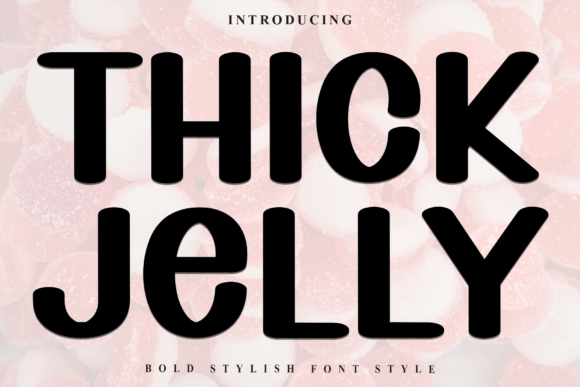
Thick Jelly Font: Bold, Rounded Type for Playful Design
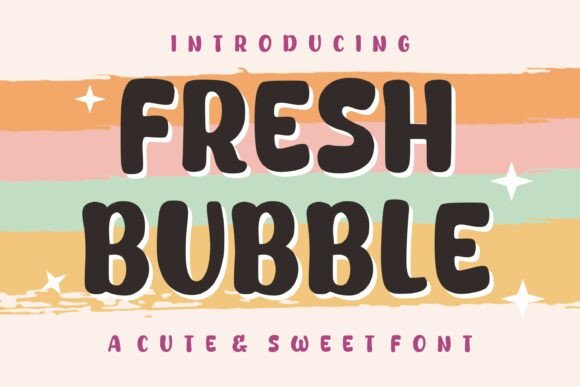
Treat your designs to a burst of playful energy with Thick Jelly, a bold, stylish font designed to make a sweet and lasting impression. This typeface features ultra-thick, rounded letterforms that carry a satisfying, squishy aesthetic, perfect for projects that need to feel fun, modern, and approachable. Thick Jelly is characterized by its heavy weight and soft, pillowy terminals, giving it a friendly personality that works across a variety of creative applications. Its chunky silhouette ensures high visibility and legibility, making it a powerhouse for everything from digital content to physical merchandise. Whether you are branding a new snack line or designing a vibrant social media campaign, Thick Jelly adds a layer of bold, stylish charm to every layout.
Why Rounded Typography Matters in Modern Design
In the world of typography, shape communicates emotion before a single word is read. Sharp serifs often convey tradition and authority, while thin sans-serifs suggest minimalism and tech-forward thinking. Thick Jelly occupies a distinct niche by leveraging extreme roundness and weight to signal safety, joy, and accessibility. For designers and marketers, this is not merely an aesthetic choice but a strategic one. The psychology behind rounded typefaces suggests that they are perceived as more trustworthy and less aggressive than their angular counterparts. When a brand needs to lower barriers to entry or make complex information feel digestible, this font serves as a visual softener without sacrificing impact.
The "squishy" quality of the letterforms also taps into current design trends that favor tactile, sensory experiences in digital spaces. As screens dominate our daily lives, there is a growing appreciation for digital assets that mimic physical textures. Thick Jelly provides this tactile illusion, making flat screens feel warmer and more inviting. This makes it particularly relevant for user interface elements, app icons, and interactive web headers where user engagement relies on emotional connection.
Perspectives Across Different Skill Levels
Evaluating a display font like Thick Jelly requires looking through different lenses depending on your experience level and project goals. What matters to a student designing their first poster differs vastly from what a creative director considers when overhauling a corporate identity.
For Beginners and Hobbyists
If you are new to design or working on personal passion projects, ease of use and immediate visual payoff are likely your top priorities. Thick Jelly is exceptionally forgiving for beginners because its bold nature hides minor alignment imperfections that might be glaring in thinner typefaces. You do not need to worry about delicate kerning adjustments or hairline fractures in print. For hobbyists creating stickers, zines, or personal blog headers, this font offers instant gratification. It transforms simple text into a graphic element without requiring advanced illustration skills. The primary consideration here is usually licensing cost and versatility; you want a single font that can handle multiple personal projects without feeling repetitive.
For Professional Designers and Agencies
Experienced users evaluate Thick Jelly based on technical reliability and commercial flexibility. Professionals care about glyph coverage, OpenType features, and how the font pairs with body copy. While Thick Jelly is a display font meant for headlines, professionals must ensure it doesn't clash with the rest of the typographic system. The priority here is balance. A seasoned designer knows that such a heavy, character-rich font demands ample negative space. They will assess whether the font includes necessary alternates or ligatures to prevent monotonous repetition in longer phrases. Commercial value is also paramount; agencies need assurance that the license covers client work, merchandise, and web embedding without hidden fees or legal ambiguity.
For Educators and Content Creators
Teachers, tutors, and educational content creators have a unique set of needs centered on readability and tone. Thick Jelly is valuable in this sector because it bridges the gap between childish and mature. It is playful enough to engage younger learners or make dry subjects feel accessible, yet stylized enough to avoid looking patronizing to adult students. For creators making YouTube thumbnails or course materials, the font’s high contrast and thick strokes ensure legibility even at small sizes on mobile devices. The priority for this group is often clarity and inclusivity; the rounded forms can be particularly helpful for neurodivergent audiences who may find sharp, dense text overwhelming.
Practical Applications by Industry
The versatility of Thick Jelly allows it to function effectively across diverse sectors, though the application strategy shifts depending on the context.
- Food and Beverage Branding: This is perhaps the most natural home for Thick Jelly. The visceral, soft shapes mimic dough, frosting, and fruit. Bakeries, smoothie shops, and candy brands can use it to trigger appetite and nostalgia. Here, the font acts as a direct extension of the product's texture.
- Tech and App Interfaces: Surprisingly, this typeface works well in tech when used sparingly. Fintech apps targeting Gen Z or wellness platforms can use Thick Jelly for call-to-action buttons or welcome screens to reduce anxiety associated with money or health data. It humanizes cold technology.
- Retail and Merchandise: For t-shirts, tote bags, and packaging, the bold weight ensures the design reads from a distance. Small business owners selling at markets benefit from this high visibility. The font’s personality helps handmade or boutique items stand out against mass-produced competitors.
- Social Media Marketing: In the fast-scrolling environment of Instagram or TikTok, you have milliseconds to capture attention. Thick Jelly stops the scroll through sheer visual mass. Marketers use it for quote cards, announcement overlays, and sale badges where hierarchy and speed of communication are critical.
Evaluating Fit: Is This Font Right for Your Project?
Before committing to Thick Jelly, it is helpful to run a quick diagnostic against your specific goals. Not every project benefits from such a distinctive voice. Ask yourself these practical questions to determine alignment:
- What is the reading distance? If the text needs to be read quickly from afar or on a tiny screen, the chunky silhouette is an asset. If it is for long-form body copy or fine print, look elsewhere. This is strictly a display typeface.
- What is the desired emotional temperature? If you need to convey luxury, seriousness, or corporate stability, this font may undermine your message. However, if the goal is warmth, excitement, comfort, or youthfulness, it is likely a strong match.
- How much space do you have? Ultra-thick fonts consume horizontal real estate. If your layout is constrained or text-heavy, Thick Jelly might cause wrapping issues or visual clutter. Ensure your canvas has enough breathing room to let the letterforms shine.
- Who is the end user? Consider cultural and demographic associations. While generally universally liked, extremely bubbly fonts can sometimes skew younger. If targeting a conservative B2B audience, test the font in context to ensure it lands as "modern and friendly" rather than "informal."
Balancing Creativity with Functionality
Ultimately, choosing a typeface is an exercise in balancing creative expression with functional requirements. Thick Jelly excels when treated as a spice rather than the main ingredient. Its bold, stylish charm is most effective when contrasted against clean, neutral backgrounds and simpler supporting typefaces. By understanding the specific priorities of your role—whether that is the learning value for a student, the commercial viability for a business owner, or the emotional resonance for a marketer—you can leverage this font to create designs that are not only visually striking but strategically sound. The result is work that feels intentionally crafted, ensuring your message resonates with the intended audience in a way that standard typography simply cannot achieve.