Funtus: A Playful Display Font for Creative Projects
In the crowded landscape of digital design, finding a typeface that balances professional utility with genuine personality is a rare achievement. Most display fonts lean too heavily into novelty, sacrificing readability for gimmicks, or they remain so safe that they fail to capture attention. Funtus occupies a distinct middle ground. It is a playful and quirky display font designed specifically to bring unique charm to creative projects without descending into chaos. For designers, marketers, and educators looking to inject warmth and approachability into their work, this typeface offers a sophisticated take on whimsy.
Defining the Visual Character of Funtus
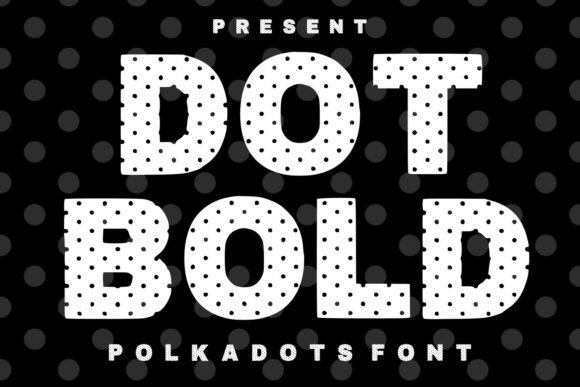
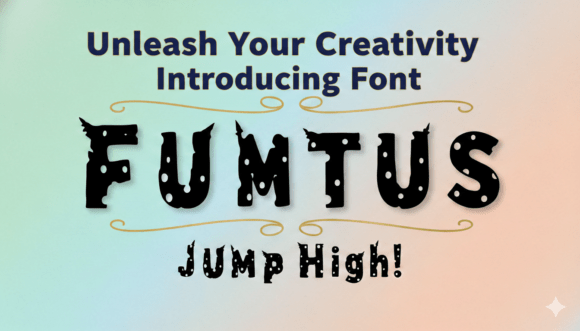
The immediate identifier of Funtus is its distinctive dot patterns and irregular edges. Unlike standard geometric sans-serifs that rely on mathematical perfection, this typeface embraces organic imperfection. The dots are not merely decorative afterthoughts; they serve as structural elements that soften the overall silhouette of the letterforms. This creates a texture that feels handcrafted rather than machine-generated, which is essential when trying to establish an authentic connection with an audience.
The irregular edges play a crucial role in how the font performs at large sizes. In headline applications, perfectly straight lines can sometimes feel sterile or aggressive. The subtle variations in Funtus create a rhythmic visual flow that guides the eye across the page. This characteristic makes it exceptionally readable for a display font, as the slight inconsistencies prevent the text from blurring into a monotonous block of color. It retains legibility while delivering the stylistic impact necessary for posters, banners, and social media graphics.
Practical Applications Across Industries
Versatility is often the first casualty of quirky typography, yet Funtus demonstrates surprising adaptability across different sectors. Understanding where and how to deploy this font can significantly enhance project outcomes.
- Children’s Publishing and Education: This is perhaps the most natural habitat for Funtus. The rounded, dotted aesthetic aligns perfectly with early literacy materials, picture books, and educational apps. It feels safe and inviting to young readers while maintaining enough structure to support learning. Teachers and curriculum designers can use it for worksheets and classroom signage to create a welcoming environment without resorting to childish clip art.
- Lifestyle and Artisan Branding: For entrepreneurs in the handmade, organic, or boutique space, corporate minimalism often sends the wrong message. A bakery, pottery studio, or sustainable clothing brand benefits from the tactile quality of Funtus. It communicates craftsmanship and human touch, reinforcing brand values through typography alone. Packaging design, in particular, sees high returns when using this font for product names and short taglines.
- Event Marketing and Posters: When designing for festivals, community gatherings, or creative workshops, standard bold fonts can feel impersonal. Funtus adds a layer of excitement and anticipation. Its unique texture holds up well in print at large formats, ensuring that headlines remain crisp and engaging even from a distance. The "Jump High" ethos of the font translates visually to energetic event promotion.
- Digital Content Creation: Bloggers and social media managers constantly seek ways to stop the scroll. Using Funtus for YouTube thumbnails, Instagram story overlays, or blog post headers creates immediate visual differentiation. Because the font has such specific character traits, it acts as a visual anchor, helping audiences instantly recognize content associated with your personal brand or publication.
Strategic Pairing and Hierarchy
A common mistake when working with expressive display fonts is attempting to use them for everything. Funtus is a specialist, not a generalist. To maximize its effectiveness, it must be paired correctly. The irregularity and decorative nature of Funtus demand a stable partner. Clean, neutral sans-serifs like Inter, Helvetica Now, or DM Sans provide the necessary contrast. Alternatively, a classic serif like Merriweather or Lora can add a layer of editorial sophistication that grounds the playfulness of Funtus.
Hierarchy management is equally important. Reserve Funtus for primary headlines, pull quotes, logos, and short call-to-action buttons. Avoid using it for body copy, captions, or complex data tables. The very features that make it charming at 48pt—dots and uneven strokes—become visual noise at 12pt. By restricting its usage to high-impact moments, you preserve its novelty and ensure that the reading experience remains frictionless. Think of Funtus as the accent spice in a recipe; a little goes a long way, but too much overwhelms the dish.
Technical Considerations for Implementation
When integrating Funtus into professional workflows, technical performance matters as much as aesthetics. For web projects, consider loading strategies carefully. Display fonts are often heavier in file size due to complex vector paths. If using Funtus on a website, implement font-display: swap in your CSS to prevent invisible text during loading. Additionally, test rendering across different browsers and operating systems. The intricate dot patterns should be verified on mobile screens to ensure they do not pixelate or disappear at smaller responsive breakpoints.
For print designers, pay close attention to ink spread and paper stock. The fine details in the irregular edges may fill in on uncoated or textured papers if the point size is too small. Always request a physical proof before running a large print job. Conversely, on glossy stock or digital displays, the font will appear sharper and more vibrant. Understanding these substrate interactions ensures that the intended whimsical charm translates accurately from screen to physical medium.
Enhancing Engagement Through Typography
Typography is never just about reading; it is about feeling. In an era of AI-generated content and template-based design, human-centric visuals carry premium value. Funtus signals to the viewer that a real person made deliberate creative choices. This psychological cue builds trust and engagement. When a user encounters a headline set in Funtus, they subconsciously anticipate a more relaxed, enjoyable, or creative experience. This expectation setting is powerful for conversion-focused design.
For freelancers and agencies, offering Funtus as part of a brand identity package demonstrates a commitment to bespoke solutions. It shows clients that you understand tone and voice, not just layout grids. The font’s ability to convey joy without sacrificing professionalism makes it a strategic asset in pitches for brands targeting millennials and Gen Z, demographics that prioritize authenticity and emotional resonance over corporate polish.
Ultimately, the decision to use Funtus should be driven by the specific emotional goal of the project. If the objective is to inform quickly and neutrally, look elsewhere. But if the goal is to delight, invite, and distinguish, Funtus provides a robust toolkit. It allows creators to jump high creatively, transforming standard layouts into memorable experiences. By respecting its strengths and acknowledging its limitations, designers can harness this quirky display font to produce work that is both commercially effective and genuinely fun.