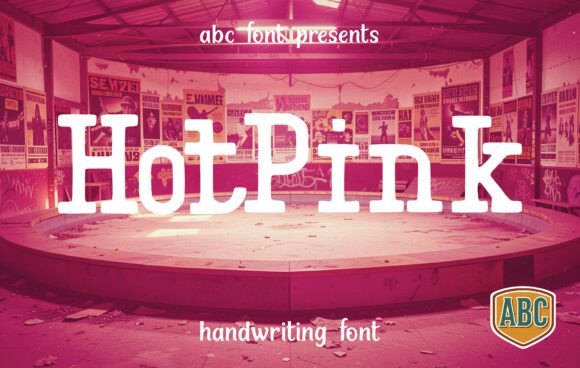
Hotpink Font: Bold Typography for Creative Impact
In a digital landscape saturated with content, capturing attention requires more than just a loud message; it demands a visual vehicle that carries weight without sacrificing personality. Hotpink is built specifically for this challenge. It is a typeface designed for impact, featuring thick, sturdy strokes that provide a powerful presence on any canvas. For creators, marketers, and designers, choosing the right display font is often a balancing act between legibility and character. Hotpink resolves this tension by offering a heavy aesthetic that retains a playful, organic rhythm, making it feel alive rather than mechanically generated.
This font distinguishes itself through a unique combination of maximum presence and hand-crafted nuance. While many bold fonts risk appearing rigid or sterile, Hotpink maintains a subtle, hand-lettered touch in every curve and corner. This quality makes it an exceptional tool for projects that need to feel custom-made and authentic. Whether you are designing street-style apparel, crafting social media graphics, or developing modern branding, understanding how to leverage the specific traits of Hotpink can elevate your visual communication from standard to memorable.
Why Visual Weight Matters in Modern Design
The primary function of Hotpink is to serve as a brilliant focal point. In design theory, visual weight directs the viewer’s eye and establishes hierarchy. When working with complex urban photography or busy textured backgrounds, thinner typefaces often get lost in the noise. The bold, blocky structure of Hotpink ensures that titles and key messages pop against these challenging environments. This high contrast is not merely an aesthetic choice; it is a functional necessity for readability in fast-scrolling digital feeds or glance-based print media like posters and flyers.
However, weight alone does not create connection. The "heavy" feel of this typeface is softened by its organic flow. Standard geometric bold fonts can sometimes feel aggressive or corporate. Hotpink avoids this pitfall by incorporating irregularities that mimic human handwriting. This versatility allows it to bridge the gap between different vibes. It is bold enough for gritty, street-art aesthetics yet clean enough for contemporary lifestyle branding. When selecting typography, consider whether your project needs to shout or speak firmly. Hotpink achieves the latter, commanding attention while remaining approachable.
Practical Applications Across Creative Fields
Different creators face distinct challenges when integrating display typography. Adapting Hotpink to your specific medium ensures the font enhances rather than overwhelms your message. Here is how various professionals can apply this typeface effectively:
- Social Media Content Creators: Use Hotpink for headline overlays on Instagram Reels or TikTok thumbnails. The thick strokes remain legible even on small mobile screens. Pair it with a simple sans-serif body font to maintain clarity in captions.
- Merchandise and Apparel Designers: The hand-crafted character translates exceptionally well to screen printing and embroidery. Its organic edges prevent the design from looking like generic clip art, giving t-shirts, tote bags, and stickers a boutique, artisanal quality.
- Event Marketers: For concert posters, festival lineups, or pop-up shop signage, Hotpink provides the necessary urgency. Its blocky structure allows for tight kerning, enabling you to fit impactful keywords into limited spaces without sacrificing style.
- Brand Identity Designers: Utilize this font for logotypes or taglines where a brand wants to signal confidence and creativity. Because it feels custom-made, it helps new brands establish a proprietary look without the immediate cost of bespoke lettering.
- Educators and Presenters: In slide decks or educational handouts, use Hotpink strictly for section headers or key takeaways. The playful rhythm keeps audiences engaged, while the boldness aids in information retention and visual scanning.
Balancing Boldness with Layout Harmony
A common mistake when using high-impact fonts is overuse. Hotpink is a seasoning, not the main course. To keep results clear, effective, and organized, treat this typeface as a strategic accent. Because it commands so much attention, using it for body copy or secondary information will create visual fatigue and reduce readability. Instead, reserve it for the single most important element on the page or screen.
Pairing is equally critical. The organic, slightly imperfect nature of Hotpink pairs best with neutral, structured typefaces. A clean geometric sans-serif or a classic monospaced font provides a stable foundation that lets Hotpink shine without competing. This contrast creates a professional tension that feels intentional and polished. Additionally, pay close attention to negative space. Heavy fonts require breathing room. Crowding Hotpink against other elements diminishes its power; surrounding it with ample whitespace amplifies its presence and improves overall composition.
Optimizing for Digital and Print Readability
While Hotpink is optimized for high contrast, technical execution determines its success. In digital environments, ensure you are testing the font at various sizes. What looks powerful on a desktop monitor may become illegible on a mobile device if scaled down too aggressively. Stick to larger point sizes and avoid using all-caps for long phrases, as the blocky structure can create a rectangular wall of text that is difficult to parse quickly.
For print applications, ink spread and material texture play significant roles. On porous materials like uncoated paper or fabric, the thick strokes of Hotpink may bleed slightly, enhancing the hand-lettered effect. On glossy surfaces or digital displays, the edges will appear sharper. Adjust your tracking (letter spacing) accordingly. Tighter tracking works well for short, punchy headlines, creating a solid block of color. Looser tracking can make the font feel more airy and sophisticated for subheads or shorter tags. Always proof your work in the final output format to ensure the organic rhythm translates correctly across mediums.
Cultivating Authenticity Through Typography
Ultimately, the value of Hotpink lies in its ability to convey authenticity. In an era of AI-generated imagery and template-based design, audiences crave human connection. The subtle imperfections and rhythmic flow of this font signal that a human hand was involved in the creative process. This psychological cue builds trust and engagement, making it a valuable asset for storytellers and entrepreneurs.
When integrating Hotpink into your workflow, focus on alignment with your brand voice. If your message is serious, corporate, or luxury-focused, this playful, heavy typeface may create dissonance. However, if your goal is to inspire, energize, or connect on a personal level, Hotpink serves as a perfect visual amplifier. Experiment with color as well; while the name suggests a specific hue, the font’s structure performs beautifully in stark black and white, vibrant neons, or muted earth tones. The form supports the function, allowing the color to dictate the emotional temperature while the typography handles the heavy lifting of visibility.
By treating Hotpink as a specialized tool for emphasis and expression, creators can unlock new levels of visual impact. It is not just a font; it is a strategy for being seen and felt. Whether you are launching a new product, sharing a personal story, or designing for a client who needs to stand out, this typeface offers the sturdy reliability of a classic display font with the fresh, custom energy of modern hand-lettering. Use it deliberately, pair it thoughtfully, and let its inherent rhythm bring your creative vision to life.