Lemon Cake Font: Sweet Handwritten Charm
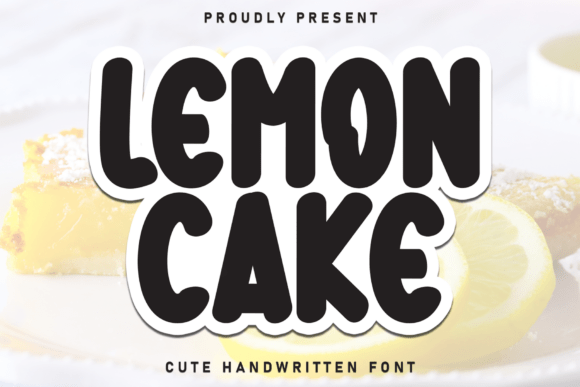
Typography is often described as the voice of design, and few typefaces speak with the same gentle warmth as Lemon Cake. This delightful handwritten display font captures the essence of charm and friendliness in every curve and stroke. Unlike rigid, corporate typefaces that demand authority, Lemon Cake invites connection through its innate sweetness. It embodies a playful spirit that feels authentically human, making it an invaluable tool for designers and creators who want their work to feel approachable rather than sterile.
At its core, this typeface is designed to evoke emotion. The letterforms mimic the natural imperfections of hand-lettering, yet they maintain enough structure to remain legible across various mediums. For anyone looking to infuse a project with a light, jovial feel, this font serves as an immediate mood setter. It bridges the gap between professional polish and personal touch, allowing your message to resonate on an emotional level before the viewer even processes the specific words.
Defining the Character of Playful Typography
Understanding what makes Lemon Cake unique requires looking beyond simple aesthetics. Its primary value lies in its ability to soften communication. In a digital landscape saturated with bold sans-serifs and aggressive marketing copy, a font with this level of gentleness stands out by whispering rather than shouting. The strokes are rounded and fluid, suggesting movement and ease. There is a deliberate lack of sharp edges, which psychologically signals safety and comfort to the reader.
This typeface falls into the category of casual script or display fonts, but it avoids the overly ornate flourishes that can sometimes make handwritten styles difficult to read. Instead, it prioritizes clarity alongside personality. The x-height is generous, and the spacing allows each character to breathe. This balance ensures that while the font feels adorable and whimsical, it does not sacrifice functionality. It is sweet without being cloying, and playful without appearing childish.
Ideal Applications for Warm Design Projects
The versatility of this handwritten style makes it suitable for a wide array of creative endeavors. While it naturally excels in personal contexts, its applications extend well into commercial and educational spaces where building rapport is essential.
- Wedding and Event Stationery: This is perhaps the most natural home for Lemon Cake. From save-the-dates to table numbers, the font adds a romantic, bespoke quality that generic scripts cannot match. It suggests that the event will be intimate and joyful.
- Greeting Cards and Personal Notes: Whether designing for print or creating digital e-cards, this typeface mimics the sentiment of a handwritten letter. It transforms a standard birthday wish or thank-you note into something that feels deeply personal.
- Boutique Branding and Packaging: Small businesses, particularly those in baking, skincare, or children’s products, benefit immensely from this aesthetic. Using this font on labels or logos instantly communicates artisanal quality and care.
- Social Media Graphics: Influencers and content creators can use this font to create quote cards or announcement overlays that stop the scroll. The friendly vibe encourages engagement and shares.
- Educational Materials: Teachers and educators can utilize this typeface to make worksheets, certificates, and classroom decor feel more welcoming and less intimidating for young learners.
Solving Design Challenges with Softness
Many creators struggle with designs that feel too cold or impersonal. You might have excellent content, but if the typography is severe, the audience may disengage. Lemon Cake solves this friction point by acting as a visual softener. It is particularly effective when paired with minimalist photography or clean layouts. The contrast between structured negative space and organic lettering creates a dynamic tension that keeps the eye interested.
For entrepreneurs and marketers, this font addresses the challenge of differentiation. In crowded niches like wellness or lifestyle coaching, establishing a distinct brand personality is crucial. Adopting a typeface that radiates warmth helps position a brand as empathetic and accessible. It signals to potential clients that they are entering a supportive environment. This psychological cue can be just as important as the color palette or logo mark in defining brand identity.
Practical Considerations for Best Results
While Lemon Cake is undeniably charming, using it effectively requires some typographic discipline. Because it is a display font with significant personality, it should be treated as a spice rather than the main ingredient. Overusing it can dilute its impact and reduce readability.
- Limit Usage to Headlines and Accents: Reserve this typeface for titles, short phrases, signatures, or callouts. Avoid using it for long paragraphs or body text. Pair it with a simple, neutral sans-serif or serif font for extended reading to maintain visual hierarchy.
- Mind the Spacing: Handwritten fonts often have unique kerning needs. Always check the spacing between letters, especially in all-caps settings (though this font is generally best used in mixed case or lowercase). Adjust tracking manually if necessary to ensure the connections between letters look natural.
- Consider Color Psychology: The mood of this font shifts dramatically based on color. Pastel pinks and yellows enhance the sweetness, while deep greens or navies add a touch of vintage sophistication. Black provides maximum contrast and modernity, whereas white on a dark background feels ethereal.
- Check Licensing Requirements: Before incorporating this font into any project, verify the license terms. Personal use licenses typically do not cover commercial products, client work, or monetized content. Ensuring you have the correct commercial license protects both you and the type designer.
Enhancing Creativity Through Emotional Connection
Ultimately, choosing a typeface like Lemon Cake is an exercise in empathy. It forces the designer to consider how the viewer will feel rather than just what they will see. When you select a font imbued with innate sweetness, you are making a conscious decision to prioritize human connection over rigid formality. This mindset shift can unlock new creative possibilities, encouraging you to experiment with layouts and compositions that celebrate joy.
For beginners and hobbyists, this font offers a low barrier to entry for creating professional-looking designs. Its strong character does much of the heavy lifting, meaning you don't need complex illustration skills to create something beautiful. Simply placing a few words in this typeface against a textured background can result in a stunning piece of art. For seasoned professionals, it serves as a reminder that technical perfection should never come at the expense of soul. By integrating such a warm, jovial element into your toolkit, you ensure that your portfolio remains diverse, expressive, and genuinely delightful.