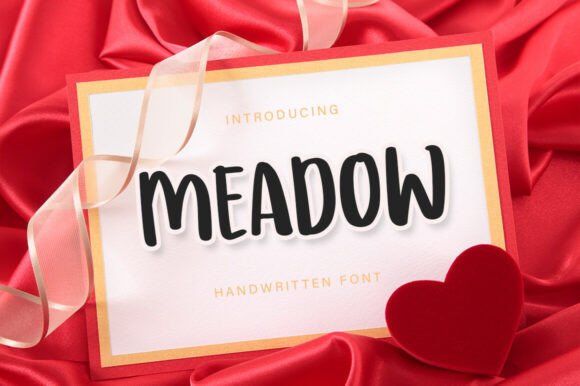
Meadow Font: Bold Brush Script for Authentic Branding
In a digital landscape often saturated with polished, uniform typography, the human touch has become a premium asset. Meadow is an authentic handwritten brush font designed to bridge the gap between digital convenience and analog warmth. Unlike standard script fonts that rely on repetitive vector curves, Meadow captures the unpredictable energy of real ink on paper. Each character mirrors genuine brush strokes, offering a vibrant dynamism that feels less like a software installation and more like a collaboration with a hand-lettering artist.
For designers, marketers, and creators, this distinction matters. Typography is not merely about legibility; it is about tone. Meadow exudes a bold, expressive, and effortlessly fashionable feel that communicates confidence without aggression. It embodies a potent, striking spirit that transforms static text into a visual narrative. Whether you are refining a personal brand or launching a product line, understanding how to leverage this typeface’s unique texture can elevate your visual communication from functional to memorable.
The Anatomy of Authentic Hand-Lettering
To use Meadow effectively, one must first understand what makes it distinct from other display fonts. The typeface celebrates the hand-lettering art form by preserving the imperfections that give writing its soul. You will notice variations in stroke width, natural ink bleeds, and organic transitions between letters. These are not errors; they are features that provide a handmade texture impossible to replicate with standard geometric sans-serifs.
This authenticity creates an immediate psychological connection with the viewer. In marketing psychology, tactile visuals often trigger higher engagement because they mimic physical interaction. When a customer sees Meadow used in branding, the subconscious association is one of craftsmanship and personal attention. This makes it particularly valuable for businesses that want to emphasize artisanal quality, creative freedom, or personalized service. The font does not just display words; it conveys a mood of casual liberation mixed with contemporary aesthetics.
Strategic Applications for Modern Brands
Meadow’s strong persona makes it ideal for establishing a confident stamp on your identity, but it requires strategic placement to remain effective. Because the font commands attention through its expressive weight, it functions best as a focal point rather than a workhorse. Here are practical ways to integrate it into professional projects:
- Signature Logotypes: Use Meadow for the primary wordmark of lifestyle brands, boutiques, or creative studios. The irregular baseline and dynamic swashes prevent the logo from looking manufactured, ensuring the brand feels established yet approachable.
- Social Media Headlines: On platforms like Instagram and Pinterest, thumb-stopping content is essential. Utilize this typeface for quote cards, announcement overlays, or Reel covers. The high contrast of the brush strokes ensures readability even on small mobile screens while maintaining artistic flair.
- Packaging and Labels: For coffee roasters, skincare lines, or craft beverages, Meadow adds shelf appeal. It suggests that the product inside was curated with care. Pair it with minimalist sans-serif body copy to let the brush script serve as the premium accent.
- Event Stationery: Move beyond traditional wedding scripts. Meadow offers a modern alternative for festival posters, concert tickets, and gallery invitations where the vibe is energetic and unpretentious rather than formal and stiff.
Balancing Expression with Readability
A common pitfall when working with expressive brush fonts is sacrificing clarity for style. Meadow is designed to be bold, but responsible design demands that the message remains accessible. To maintain effectiveness, treat this typeface as a spice rather than the main ingredient.
Pairing for Contrast: Meadow thrives when anchored by stable, neutral typefaces. Pair it with a clean geometric sans-serif or a structured serif for body text. This contrast highlights the font's organic nature while ensuring that essential information—like dates, prices, or contact details—is instantly scannable. Avoid pairing Meadow with other decorative or script fonts, as this creates visual competition and reduces legibility.
Hierarchy and Spacing: Resist the urge to tighten tracking (letter-spacing) artificially. Handwritten fonts require breathing room to preserve the integrity of the connecting strokes. If you need to adjust spacing, do so optically rather than metrically, ensuring that ligatures and swashes do not collide awkwardly. Furthermore, limit usage to short phrases, headlines, or pull quotes. Long paragraphs set in any brush script will fatigue the reader and dilute the font’s impact.
Adapting Style Across Different Contexts
Versatility is key for any designer’s toolkit. While Meadow possesses a specific "fashionable" aesthetic, its application can shift based on color, scale, and context. Understanding these variables allows you to stretch the font’s utility across diverse projects.
Color and Texture Integration
The font’s textured edges interact differently with various backgrounds. On white or light cream paper, Meadow looks crisp and editorial, suitable for fashion magazines or high-end stationery. Conversely, placing it over dark, moody photography or textured backgrounds like kraft paper enhances its gritty, urban qualities. Experiment with blending modes in your design software to let background textures show through the brush strokes, further emphasizing the handmade aesthetic.
Digital vs. Print Considerations
When designing for web, ensure you are using a properly optimized webfont version to maintain rendering quality across browsers. Brush fonts can sometimes appear jagged on low-resolution screens if not hinted correctly. For print, take advantage of high DPI to showcase the fine details of the ink splatters and dry brush effects. If you are producing merchandise like t-shirts or tote bags, consult with your printer regarding minimum stroke widths to ensure the delicate parts of the letterforms do not break during the screen printing process.
Cultivating a Consistent Visual Voice
Using a font with such a distinct personality requires discipline to avoid inconsistency. If you adopt Meadow for a brand, establish clear guidelines for its use. Define which characters or alternates are approved for specific contexts. Decide whether you will utilize the swash capitals for every headline or reserve them for special occasions. Consistency builds recognition; randomness breeds confusion.
Additionally, consider the audience’s expectations. For a younger demographic or a creative industry, the full expressiveness of Meadow signals innovation and trend-awareness. For more conservative sectors, use it sparingly as an accent to signal creativity without undermining professionalism. The goal is to enhance the narrative, not distract from it.
Ultimately, Meadow is a tool for storytellers who refuse to blend into the background. It offers a perfect blend of casual liberation and contemporary aesthetics that resonates with audiences tired of sterile corporate design. By respecting its handcrafted origins and applying it with strategic intention, you can create work that feels alive, intentional, and unmistakably human. Whether you are a freelancer building a portfolio or a business owner refreshing your packaging, this typeface provides the creative energy needed to make a lasting impression.