The Strategic Role of Logic in Modern Artisanal Branding and Editorial Design
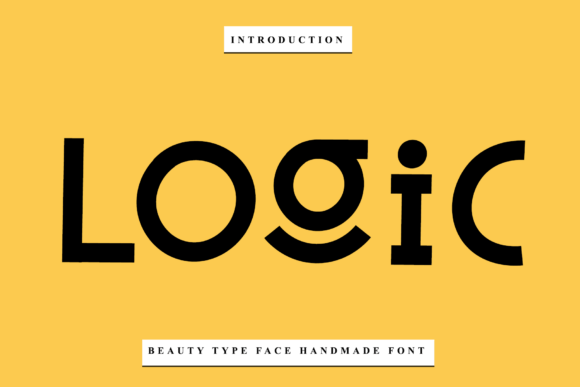
In the current landscape of visual communication, typography has transcended its traditional role as a mere vessel for text to become a primary driver of brand sentiment and consumer trust. As digital interfaces become increasingly standardized and minimalist, there is a palpable counter-movement among professionals, creators, and marketers seeking typefaces that convey warmth, authenticity, and human touch. It is within this intersection of sophistication and organic expression that Logic has emerged as a significant tool for contemporary design. This sophisticated and rhythmic script font balances a calligraphic style with a warm, organic aesthetic, offering a solution for brands that need to communicate artisanal quality without sacrificing modern legibility.
The relevance of Logic extends beyond its visual beauty; it addresses specific shifting needs in lifestyle marketing, boutique product packaging, and creative editorial workflows. As audiences become more discerning and fatigued by generic sans-serif ubiquity, the demand for typefaces that possess a distinct narrative voice has intensified. Understanding why Logic is capturing the attention of forward-thinking designers requires examining not just its form, but how it functions within broader industry trends toward personalization and tactile digital experiences.
Defining the Aesthetic: Rhythm Over Repetition
To understand the utility of Logic, one must first distinguish it from traditional script fonts. Historically, script typefaces have often fallen into two categories: overly ornate formal scripts that lack versatility, or casual hand-lettered styles that lack structural integrity. Logic occupies a vital middle ground. Its defining characteristic is the use of sweeping, looping ascenders that create a sense of customized, artisanal artistry. However, unlike purely decorative display fonts, these flourishes serve a functional purpose by establishing a high-contrast visual rhythm.
This rhythm is achieved through a deliberate interplay between thick, grounded downstrokes and delicate hairline connectors. For the professional typographer or brand designer, this contrast is not merely an aesthetic choice but a readability mechanism. The grounded downstrokes provide the necessary weight for anchoring headlines on packaging or web banners, while the hairlines introduce airiness and movement. This duality allows Logic to function effectively in upscale lifestyle marketing where the goal is to evoke luxury and approachability simultaneously. The font does not simply mimic handwriting; it codifies the feeling of bespoke craftsmanship into a reproducible digital asset.
Responding to the Authenticity Economy
We are currently operating within what market analysts often term the "authenticity economy." Consumers, particularly in the food, beverage, and wellness sectors, are actively seeking products that signal transparency, heritage, and human involvement. In this context, typography acts as a heuristic for quality. A sterile, geometric sans-serif might communicate efficiency, but it rarely communicates care. Conversely, a messy grunge font might suggest handmade origins but can imply a lack of professional standards.
Logic fits precisely into this market gap. It is a premier choice for artisanal food branding because it visually validates the premium nature of the product before the consumer even reads the copy. When used on a label for small-batch hot sauce, craft spirits, or organic skincare, the font’s organic aesthetic signals that the product was curated rather than mass-manufactured. This alignment between visual identity and product values is crucial for entrepreneurs and freelancers building brands from the ground up. The typeface becomes a silent ambassador, bridging the gap between the maker’s intent and the buyer’s perception.
Workflow Integration and Practical Application
For creatives and agencies, the adoption of a new typeface is often weighed against practical workflow considerations. A beautiful font is useless if it cannot be integrated seamlessly across diverse media. Logic’s design accounts for the multi-platform reality of modern marketing. While its sweeping ascenders make it ideal for large-format applications like editorial titles and hero images, its underlying structure ensures it remains coherent when scaled down for secondary packaging elements or social media graphics.
This versatility is particularly relevant as design workflows become more fluid. Marketers and content creators are no longer designing for a single static medium; they are creating systems that must adapt to video overlays, mobile screens, and print collateral simultaneously. Logic supports this adaptive workflow by providing enough character to stand alone as a logotype or headline, yet possessing enough restraint to pair effectively with clean body text. This reduces the friction often associated with incorporating expressive scripts into comprehensive brand guidelines.
- Boutique Product Packaging: Utilizing the looping ascenders to frame product names, creating a shelf presence that feels custom-illustrated rather than typeset.
- Upscale Lifestyle Marketing: Applying the high-contrast rhythm in digital ad campaigns to break the monotony of feed-based scrolling and arrest user attention through organic movement.
- Creative Editorial Titles: Leveraging the calligraphic balance to add emotional resonance to feature articles, interviews, and cultural commentary without resorting to cliché vintage aesthetics.
- Artisanal Food Branding: Establishing immediate sensory associations with taste and texture through the font's warm, grounded stroke modulation.
The Shift Away from Minimalist Homogeneity
For over a decade, the tech and startup ecosystems drove a trend toward extreme minimalism in typography. While this improved accessibility and load times, it also led to a homogenization of brand identities. We are now witnessing a correction. Professionals are recognizing that differentiation is a business imperative, and typography is one of the most cost-effective levers for achieving it. Logic represents this shift toward "expressive functionality."
This trend is not about abandoning clarity for decoration. Rather, it is about acknowledging that emotion is a component of usability. In an era where AI-generated content and automated design tools are proliferating, the human imperfection and rhythmic variance found in Logic offer a necessary counterweight. Clients and audiences are paying attention to this font because it feels made, not generated. For freelancers and agencies, recommending Logic is a strategic move that demonstrates an understanding of current cultural desires for connection and tangible quality.
Navigating Typographic Hierarchy with Organic Forms
One of the most common challenges when working with script fonts is maintaining a clear information hierarchy. Because scripts are inherently complex, they can easily compete with other visual elements. Logic mitigates this risk through its sophisticated construction. The thick, grounded downstrokes act as visual anchors, allowing designers to treat the font almost like a serif face in terms of weight distribution. This makes it easier to integrate into layouts that require strong focal points.
Furthermore, the font’s warm, organic aesthetic pairs exceptionally well with current color and texture trends. As we see a resurgence of earth tones, uncoated paper stocks, and grainy photography in upscale lifestyle marketing, Logic complements these textures rather than fighting them. It reinforces the tactile nature of the overall design system. For creative directors, this means less time spent forcing a typeface to fit a mood board and more time refining the message. The font arrives with a built-in contextual awareness that aligns with contemporary premium aesthetics.
- Assess Brand Voice: Determine if the brand narrative relies on heritage, craftsmanship, or personal connection. Logic is optimized for these specific tonalities.
- Test Cross-Media Legibility: Evaluate the sweeping ascenders and hairline connectors at various sizes to ensure the rhythm holds up on both physical packaging and mobile displays.
- Establish Pairing Protocols: Select a neutral, low-contrast sans-serif or monospaced companion font to handle body copy, allowing Logic to perform exclusively as a display element.
- Leverage Negative Space: Use the font’s inherent openness and looping forms to guide the viewer’s eye through the layout, turning the typography itself into a compositional device.
Future-Proofing Visual Identity Through Emotional Resonance
Looking forward, the value of typefaces like Logic will likely increase as the distinction between digital and physical retail continues to blur. Phygital experiences require visual languages that translate seamlessly across touchpoints. A font that feels too digital lacks soul in a physical store; a font that feels too analog looks dated on a screen. Logic’s balance of calligraphic tradition and modern vector precision positions it as a future-proof asset for brands navigating this hybrid environment.
Moreover, as accessibility standards evolve, there is a growing recognition that cognitive accessibility includes emotional legibility. If a user cannot intuitively grasp the tone of a brand, the communication has failed regardless of technical compliance. Logic aids in this emotional decoding process. Its rhythmic consistency provides a predictable reading experience, while its artisanal details provide the engagement necessary to sustain interest. For marketers and entrepreneurs, investing in such nuanced typographic tools is an investment in long-term brand equity.
Ultimately, the rising prominence of Logic is symptomatic of a maturing design industry. Professionals are moving past the novelty of pure minimalism and embracing complexity where it serves a purpose. By balancing a calligraphic style with a warm, organic aesthetic, Logic offers a sophisticated answer to the question of how to remain human in a high-tech world. Whether applied to artisanal food branding, boutique product packaging, or creative editorial titles, it empowers creators to build identities that are not only seen but deeply felt. In a marketplace saturated with noise, such resonant clarity is not just an aesthetic preference—it is a competitive advantage.