Thick Notes: Bringing Authentic Handwritten Charm to Modern Digital Design
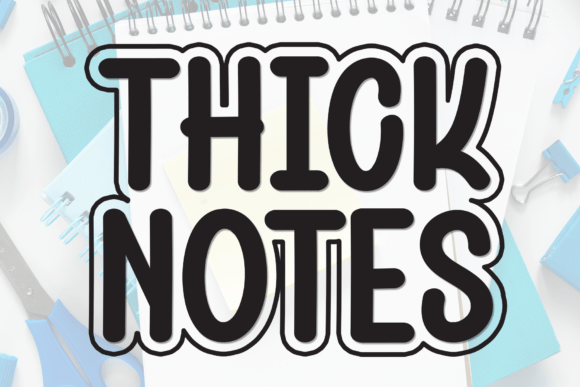
In an era dominated by sleek sans-serifs and geometric precision, there is a growing hunger for design elements that feel undeniably human. Thick Notes emerges as a direct response to this desire, offering a typeface that bridges the gap between digital convenience and analog warmth. This endearing handwritten display font captures the specific texture of personal correspondence, translating the charm of ink on paper into scalable vector graphics. For designers, marketers, and creators navigating a landscape saturated with AI-generated imagery and sterile corporate aesthetics, Thick Notes provides a necessary counterweight: a visual voice that feels spontaneous, joyful, and intentionally imperfect.
The relevance of this typeface extends beyond mere nostalgia. It addresses a critical friction point in modern communication where audiences are increasingly skeptical of polished perfection. When a brand or individual uses a font like Thick Notes, they are signaling accessibility and emotional intelligence. Whether applied to heartfelt wedding invitations or adorable greeting cards, the whimsical vibe and playful aesthetic serve a functional purpose. They lower psychological barriers, inviting the viewer to engage with the content not as a consumer processing data, but as a person receiving a message. In this context, typography becomes less about legibility alone and more about establishing an immediate emotional baseline.
The Shift Toward Emotional Typography in Digital Spaces
Design trends over the last decade have largely favored minimalism, driven by the need for clarity across mobile screens and user interfaces. However, as digital natives mature and screen fatigue sets in, the pendulum is swinging toward "maximalist warmth." This does not mean clutter; rather, it signifies a preference for textures and forms that carry narrative weight. Thick Notes fits precisely into this evolution. It represents a move away from the universal neutrality of fonts like Helvetica or Inter toward typefaces that possess distinct personality traits.
This shift is particularly evident in the creative practices of freelancers and small business owners who cannot rely on massive ad budgets to build trust. Instead, they leverage aesthetic cues to foster community. A bakery using Thick Notes on their packaging isn't just labeling a product; they are simulating the experience of a neighbor leaving a treat on your porch. Similarly, educators and coaches using this font in slide decks or worksheets are softening the authority gradient, making learning materials feel more like collaborative notes than rigid instruction. The font encapsulates the essence of sweet handwritten notes because it mimics the cadence of natural handwriting, including the slight variations in stroke width that occur when a pen presses against paper.
Balancing Whimsy with Professional Utility
While the primary appeal of Thick Notes is its cute and fun nature, successful implementation requires a professional understanding of typographic hierarchy. A common pitfall for creators new to display fonts is overuse. Because this typeface carries so much visual weight and character, it functions best as an accent rather than a workhorse. Any design seeking a sprinkling of joy and a dash of delight will instantly be brought to life when adorned with this font, provided it is paired correctly.
For practical application, consider the following pairing strategies to maintain readability while maximizing impact:
- The Grounded Anchor: Pair Thick Notes with a clean, neutral sans-serif for body copy. The contrast highlights the playfulness of the display font without sacrificing the legibility of essential information like dates, locations, or pricing.
- The Elegant Counterpoint: For wedding stationery or luxury greeting cards, combine Thick Notes with a refined serif or high-contrast script. This juxtaposition creates a sophisticated yet approachable tone, perfect for modern nuptials that want to avoid stuffy formality.
- The Textural Mix: Use the font alongside hand-drawn illustrations or watercolor washes. Since Thick Notes already possesses organic line quality, it integrates seamlessly with raster art, creating a cohesive mixed-media look even in purely digital compositions.
Professionals must also be mindful of spacing. Handwritten display fonts often have unique kerning requirements. Unlike monospaced or highly engineered system fonts, the letters in Thick Notes are designed to interact dynamically. Adjusting tracking too tightly can destroy the illusion of natural writing, while excessive spacing can make words feel disconnected. Testing at various sizes is essential to ensure the "personable touch" translates effectively from a large-format poster down to a social media graphic.
Meeting User Expectations for Authenticity
Modern consumers, particularly Millennials and Gen Z, have developed sophisticated radars for inauthenticity. Stock photography and generic templates are easily identified and often dismissed. In this environment, typography acts as a subtle trust signal. When a user encounters Thick Notes in a marketing email or a product label, the brain registers it as something crafted rather than generated. This perception is vital for businesses trying to differentiate themselves in crowded marketplaces.
The demand for this aesthetic is also tied to the resurgence of tangible experiences. As our lives become increasingly virtual, physical touchpoints gain value. Wedding invitations, thank-you cards, and artisanal packaging are no longer just functional items; they are keepsakes. Thick Notes supports this trend by ensuring that printed materials retain the intimacy of a personal letter. Even when mass-produced, the typeface suggests that a human hand was involved in the process. This is why it remains a perfect match for crafting heartfelt wedding invitations; it honors the significance of the occasion through visual tenderness.
Furthermore, the rise of creator economies and personal branding has democratized design. Bloggers, influencers, and solopreneurs often act as their own art directors. They require tools that deliver professional results without requiring a degree in typography. Thick Notes offers an accessible entry point to expressive design. Its forgiving, organic structure means it looks good even when used by non-designers, reducing the risk of awkward layout choices that can plague amateur projects. It allows creators to infuse their work with personality instantly, aligning their visual identity with their authentic voice.
Practical Applications Across Industries
The versatility of Thick Notes makes it applicable across a surprising range of sectors, provided the brand voice aligns with its inherent warmth. Understanding where and how to deploy this asset is key to unlocking its potential.
- Event Planning and Hospitality: Beyond weddings, this font excels in baby showers, birthday parties, and boutique hotel signage. It sets a welcoming tone before guests even arrive. For digital save-the-dates, it ensures the notification feels like a personal invitation rather than a calendar spam alert.
- Education and Child Development: Teachers and educational content creators use Thick Notes to make materials feel less intimidating. Worksheets, classroom decor, and homeschooling resources benefit from the friendly aesthetic, which can help reduce anxiety in young learners and create a nurturing visual environment.
- Artisanal Food and Beverage: Coffee shops, bakeries, and farm-to-table restaurants utilize this typeface to reinforce narratives of handmade quality. Menu headers, chalkboard specials, and jar labels adorned with Thick Notes communicate freshness and care more effectively than standard industrial lettering.
- Mental Health and Wellness: Therapists, yoga instructors, and wellness coaches often seek visuals that convey safety and gentleness. The soft, rounded forms of this handwritten display font avoid the clinical coldness associated with medical typography, helping to create safe spaces for vulnerable conversations.
The Future of Human-Centric Design Assets
As we look forward, the role of expressive typography like Thick Notes is likely to expand rather than diminish. Technology continues to advance, but the human need for connection remains constant. We are seeing a hybridization of workflows where digital tools are used specifically to replicate analog feelings. Variable fonts and color fonts are beginning to incorporate texture and pressure sensitivity, making typefaces like this even more dynamic in web environments.
However, the core value proposition remains unchanged. Designers and business owners will continue to seek assets that cut through digital noise. The "sprinkling of joy" mentioned in the font’s description is not merely decorative; it is a strategic differentiator. In a marketplace where attention is the scarcest currency, warmth is a hook. Uncovering the delightful possibilities when art meets emotion requires moving past the idea that professionalism equals sterility. True professionalism involves selecting the right tool for the emotional job at hand.
Ultimately, Thick Notes serves as a reminder that behind every pixel is a person. Whether you are a marketer refining a campaign, a bride designing your stationery suite, or a teacher preparing next week’s lesson plan, this font offers a way to embed humanity into your work. It validates the intuition that design should feel good, not just look good. By embracing the whimsical and the personal, creators can build deeper, more resonant connections with their audiences, proving that even in a high-tech world, the most powerful interface is still human emotion.