Understanding Cartun: The Art and Application of Playful Display Typography
In the vast landscape of graphic design and digital typography, fonts serve as more than just vehicles for text; they are the visual voice of a message. While clean sans-serifs and elegant serifs dominate corporate and editorial spaces, there exists a vibrant category of typefaces designed specifically to evoke emotion, nostalgia, and unbridled creativity. Among these, Cartun stands out as a quintessential example of expressive display typography. This handcrafted typeface captures the whimsical spirit of animation and comic art, offering designers a unique tool for projects that demand personality over perfection.
For general readers, educators, and creative professionals alike, understanding the role of a font like Cartun is essential to grasping how visual communication influences perception. It is not merely about making text look "fun"; it is about leveraging specific design cues—such as irregularity and jagged edges—to trigger psychological associations with playfulness, youth, and approachability. This article explores the anatomy, purpose, and practical application of Cartun, helping you understand why this distinctive typeface matters in modern design.
The Anatomy of Whimsy: What Defines Cartun?
To appreciate Cartun, one must first understand what separates a display font from a standard body text font. Display typefaces are designed to be used at large sizes for headings, posters, and logos rather than for extended reading. Cartun exemplifies this category through its deliberate rejection of geometric precision.
Handcrafted Irregularity
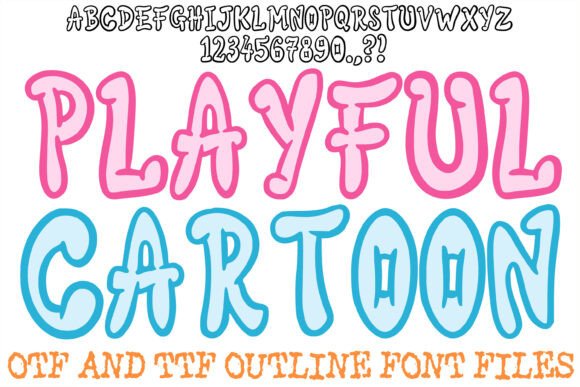
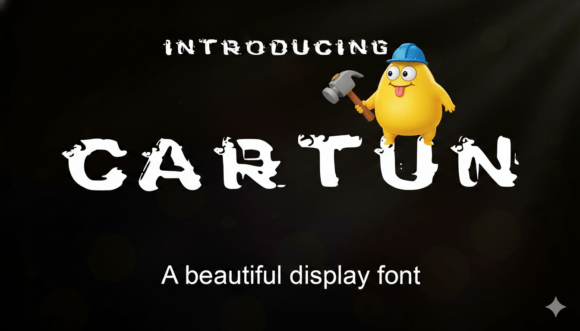
The defining characteristic of Cartun is its slightly irregular letterforms. In traditional typography, consistency is king; every 'a' should look identical to the next. However, Cartun mimics the organic nature of hand-lettering. The baseline may waver slightly, and the x-height might fluctuate. This imperfection is intentional. It signals to the viewer that a human hand was involved in the creation process, fostering a sense of intimacy and authenticity that polished, digital-first fonts often lack.
Jagged Edges and Animated Charm
Unlike the smooth curves of modern vector graphics, Cartun features jagged edges and unique character shapes. These rough textures pay homage to the ink-on-paper aesthetic of vintage comic books and early animation cels. This texture provides a tactile quality even on digital screens, bridging the gap between physical art and digital media. The distinct personality of each glyph ensures that words set in Cartun do not just convey information; they perform it.
The Psychology of Playful Typography
Why choose a font that looks like it belongs in a cartoon? The answer lies in visual psychology. Typography sets the emotional tone before a single word is read. When an audience encounters Cartun, their brains immediately categorize the content based on learned associations.
- Approachability: The rounded, uneven forms reduce cognitive friction, making content feel less intimidating and more welcoming.
- Nostalgia: The style evokes memories of Saturday morning cartoons and childhood storybooks, creating an instant emotional bond with the viewer.
- Creativity: Breaking grid-based norms suggests that the content within is imaginative, unconventional, or humorous.
This psychological impact makes Cartun a strategic choice, not just a decorative one. For businesses targeting families or educators creating learning materials, this font acts as a visual cue that says, "This space is safe, fun, and engaging."
Practical Applications in Modern Design
While Cartun is rooted in a retro aesthetic, its applications are thoroughly modern. Understanding where and how to use this typeface can elevate various projects across different sectors.
Children’s Education and Literacy
In educational contexts, engagement is the primary hurdle. Textbooks and worksheets laden with sterile typography can discourage young readers. Cartun serves as an excellent tool for headers, flashcards, and interactive learning apps. Its expressive nature helps maintain attention spans and associates reading with enjoyment rather than obligation. However, it is crucial to note that Cartun is a display font; it should be used for titles and short phrases, paired with a highly legible sans-serif for body text to ensure accessibility for developing readers.
Casual Branding and Packaging
Brands that wish to distance themselves from corporate rigidity often turn to expressive typefaces. A bakery, a toy store, or a pet grooming service can utilize Cartun in logos and packaging to communicate a friendly, artisanal vibe. The font’s handcrafted look suggests care and individual attention, which are high-value traits in the consumer market. In this context, the jagged edges differentiate the brand from competitors using generic, smooth-rounded novelty fonts.
Comic Books and Indie Publishing
For independent creators, Cartun offers a professional alternative to hand-lettering every page. While nothing replaces custom lettering, Cartun provides a consistent yet organic voice for dialogue bubbles, sound effects, and chapter titles. It respects the genre's history while providing the efficiency required for modern publishing workflows.
Best Practices: Using Cartun Effectively
Despite its charm, Cartun is a specialized tool. Misusing expressive fonts is a common pitfall for beginners. To adhere to helpful design principles and ensure your content remains effective, consider the following guidelines.
- Prioritize Hierarchy: Never use Cartun for long paragraphs. Its irregularity causes eye fatigue at small sizes. Reserve it for H1s, H2s, pull quotes, and call-to-action buttons.
- Mind the Contrast: Pair Cartun with a neutral, stable typeface. A clean geometric sans-serif or a simple monospaced font provides the necessary anchor, allowing Cartun’s personality to shine without overwhelming the layout.
- Respect Accessibility: While playful fonts are engaging, they can be difficult for users with dyslexia or visual impairments to decode. Always ensure that critical information is available in accessible formats, and avoid using Cartun for navigation menus or essential instructions.
- Context is Key: Evaluate the tone of your message. Cartun is inappropriate for serious topics, legal disclaimers, or luxury branding. Its use must align authentically with the content’s intent.
Common Misunderstandings About Display Fonts
There is a prevailing assumption in some design circles that playful fonts are inherently "unprofessional" or "amateur." This is a significant misunderstanding. Professionalism is defined by appropriateness, not austerity. Using a stiff corporate font for a children’s birthday party invitation is just as unprofessional as using Cartun for a bank statement. True design expertise lies in matching the typographic voice to the audience's needs.
Another misconception is that all "cartoon" fonts are interchangeable. Many novelty fonts suffer from poor spacing, inconsistent weight, and limited character sets. Cartun distinguishes itself through its thoughtful construction. The jagged edges are stylized, not messy, and the letterforms maintain enough structural integrity to remain recognizable. When selecting a font in this genre, always test the full character set to ensure it meets professional standards for kerning and legibility.
The Broader Significance of Expressive Type
Exploring Cartun offers a window into the broader significance of typography in our daily lives. We live in an era of digital homogenization, where user interfaces and web designs often converge toward similar, safe aesthetics. Fonts like Cartun represent a necessary counter-movement. They remind us that text can be textured, emotional, and deeply human.
For the general reader, recognizing these nuances transforms the act of reading from passive consumption to active appreciation. You begin to see how a menu’s font influences your appetite, how a textbook’s header affects your curiosity, and how a logo’s shape dictates your trust in a brand. Cartun is more than a collection of jagged letters; it is a case study in how visual language shapes human experience. Whether you are designing a poster, teaching a class, or simply navigating the visual world, understanding the power of playful typography enriches your interaction with the designed environment.
Ultimately, Cartun succeeds because it honors its inspiration while serving a functional purpose. It captures the whimsical spirit of cartoons not as a gimmick, but as a legitimate design language capable of communicating joy, creativity, and warmth. By understanding its anatomy, psychology, and proper application, we can better appreciate the artistry involved in making the world look a little more animated.