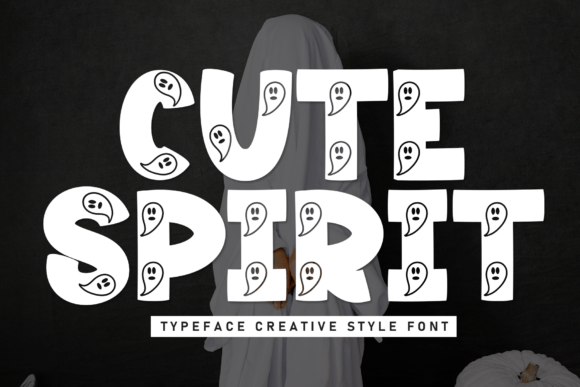
Cute Spirit: Infusing Sweetness and Charisma into Modern Typography
In the vast landscape of digital design, finding a typeface that genuinely communicates warmth can be a challenge. Many display fonts lean too heavily into rigid geometry or chaotic grunge, leaving little room for genuine affection. This is where Cute Spirit distinguishes itself as a charmingly charismatic handwritten display font that exudes sweetness and friendliness. It is not merely a collection of glyphs; it is a tonal shift for your creative projects. Drenched in cuteness and brimming with fun, this font serves as the perfect typographic companion to transform standard messages into captivating works of art.
Designers and hobbyists alike often search for that elusive "handmade" feel that doesn't sacrifice legibility. Cute Spirit bridges this gap by offering organic letterforms that feel authentically penned rather than digitally manufactured. Whether you are crafting enchanting wedding invitations, personalized cards, or infusing an element of fun into a commercial branding project, this typeface brings a delightful touch to anything it graces. Understanding how to leverage its unique characteristics can elevate your work from simple text layout to emotional storytelling.
The Anatomy of Approachable Design
To use Cute Spirit effectively, one must first understand what makes it visually successful. The font’s charisma lies in its subtle imperfections and rhythmic flow. Unlike script fonts that rely on continuous connecting strokes, Cute Spirit utilizes a semi-connected or print-script hybrid style. This distinction is crucial for readability at smaller sizes while maintaining the whimsy required for display headers.
- Organic Stroke Variation: The line weight mimics the pressure of a real marker or brush pen, creating a sense of human touch that flat vector fonts cannot replicate.
- Rounded Terminals: Soft edges on letter endings psychologically signal safety and friendliness, making the text feel welcoming rather than authoritative.
- Playful Baseline Shift: Characters do not sit on a perfectly straight line; they dance slightly above or below the baseline, adding kinetic energy and preventing visual monotony.
- Generous x-Height: Taller lowercase letters ensure that even when used in paragraph-sized captions, the font remains open and airy.
These anatomical choices make Cute Spirit particularly effective for audiences seeking comfort and joy. In an era where digital interfaces can feel sterile, introducing a typeface with such tactile qualities creates an immediate emotional connection with the viewer.
Elevating Wedding Stationery and Personal Celebrations
The wedding industry has seen a massive shift toward personalization, moving away from stiff formality toward celebrations that reflect the couple's true personality. Cute Spirit has emerged as a favorite among stationery designers for this exact reason. It strikes a delicate balance between elegance and playfulness, making it ideal for modern nuptials that prioritize joy over tradition.
When designing save-the-dates or ceremony programs, consider using Cute Spirit for the couple’s names or key phrases like "Join Us" or "Happily Ever After." Its handwritten nature suggests intimacy, as if the invitation were penned personally for each guest. However, practical application requires restraint. Because the font is so expressive, it works best when paired with a clean, minimalist sans-serif for logistical details like dates, times, and addresses. This contrast ensures the hierarchy remains clear: Cute Spirit captures the heart, while the supporting typeface informs the mind.
Beyond weddings, this versatility extends to baby showers, birthday parties, and anniversary announcements. For children’s events specifically, the font’s inherent sweetness aligns perfectly with the theme. It softens the overall aesthetic, making bright color palettes feel cohesive rather than overwhelming. When printing on textured paper stocks like linen or cotton, the ink spread interacts beautifully with the font's rounded edges, enhancing the analog charm that digital screens sometimes flatten.
Commercial Applications and Brand Identity
While often associated with personal stationery, Cute Spirit possesses significant utility in commercial design. Brands targeting demographics that value authenticity, care, and community can benefit immensely from this typographic voice. Think of artisanal bakeries, boutique pet shops, organic skincare lines, or educational platforms for young learners. In these contexts, corporate sleekness can actually be a detriment, signaling distance rather than quality.
Integrating Cute Spirit into a brand identity system requires strategic placement. It is rarely suitable for body copy or extensive legal disclaimers. Instead, treat it as a graphic element. Use it for product packaging labels, social media quote overlays, or limited-edition promotional banners. For example, a coffee shop might use a standard serif for their menu descriptions but employ Cute Spirit for seasonal specials written on chalkboards or window decals. This selective usage preserves the font’s impact; if everything is cute, nothing stands out.
Furthermore, in the realm of digital content creation, influencers and content marketers find this typeface invaluable for thumbnail text and Instagram Stories. The high character count visibility and distinct silhouette make it readable on mobile devices, where attention spans are fleeting. The friendly vibe also encourages engagement, as users subconsciously associate the typography with positive, low-pressure interactions.
Technical Considerations for Seamless Workflows
Adopting a new display font involves more than just installation; it requires understanding how the typeface behaves within modern design software. Cute Spirit is typically engineered with OpenType features that enhance its natural flow. Before finalizing any project, explore the glyph panel in Adobe Illustrator, Photoshop, or Canva.
- Check for Alternates: Many versions of Cute Spirit include multiple variations of common letters (like 'a', 'e', or 's'). Swapping these out prevents repetition in longer headlines and enhances the authentic handwritten illusion.
- Utilize Ligatures: Standard ligatures prevent awkward collisions between specific letter pairs. Ensuring these are enabled in your typesetting preferences maintains the smooth connectivity essential to the font's charm.
- Kerning Adjustments: Handwritten fonts often require manual kerning tweaks, especially in all-caps settings (if available). While Cute Spirit is primarily designed for mixed case or lowercase dominance, adjusting spacing can prevent gaps that look unnatural.
- Color Selection: Avoid pure black (#000000) when using Cute Spirit. Dark charcoal, deep navy, or warm browns complement the soft stroke terminals better than harsh absolute black, which can create a jarring contrast against the gentle letterforms.
Licensing is another critical factor for professional designers. Always verify whether your license covers commercial use, web embedding, or merchandise production. Cute Spirit is often available through various foundries, and terms can vary. Respecting intellectual property not only supports the type designer but ensures your client’s project remains legally secure across all mediums.
Pairing Strategies for Maximum Impact
The success of Cute Spirit relies heavily on what surrounds it. A common mistake is pairing it with other decorative scripts, which leads to visual clutter and competition. The goal is harmony through contrast. Here are three proven pairing strategies:
The Modern Minimalist: Combine Cute Spirit with a geometric sans-serif like Montserrat or Futura. The strict structure of the sans-serif grounds the whimsy of the display font, creating a contemporary look that feels organized yet spirited. This is ideal for tech-forward brands wanting to appear more human.
The Classic Editorial: Pair it with a traditional serif like Garamond or Playfair Display. This combination evokes a storybook quality, perfect for literary festivals, library events, or heritage brands updating their image. The serif provides historical weight, while Cute Spirit adds a fresh, youthful perspective.
The Functional Support: Use a highly legible monospaced font or a condensed grotesque for data-heavy elements. If you are designing an infographic or a schedule, let the utilitarian font handle the numbers and lists. Reserve Cute Spirit strictly for section titles and emotional hooks. This separation of duties ensures accessibility is never compromised for aesthetics.
Why Emotional Typography Matters Now
We are currently navigating a design cycle that values empathy and connection over perfection. Users are fatigued by hyper-polished, AI-generated sterility. They crave evidence of human presence. Choosing a typeface like Cute Spirit is a deliberate act of communication that says, "There is a person behind this message."
This font does more than decorate; it facilitates tone. In marketing copy, it can soften a sales pitch. In educational materials, it can reduce anxiety for young readers. In personal correspondence, it amplifies sincerity. As designers, our toolset is expanding beyond grids and color theory to include emotional resonance. Cute Spirit offers a direct line to that resonance, providing a reliable, versatile, and undeniably sweet solution for projects that need to smile back at the audience.
Ultimately, the decision to use Cute Spirit should be driven by the desired emotional outcome of the project. It is a specialized tool for specialized feelings. When applied with intention and technical care, it transforms ordinary layouts into memorable experiences, proving that in the world of typography, being cute is a serious and powerful business strategy.