Dark Gothic: Modern Blackletter for Creative Branding
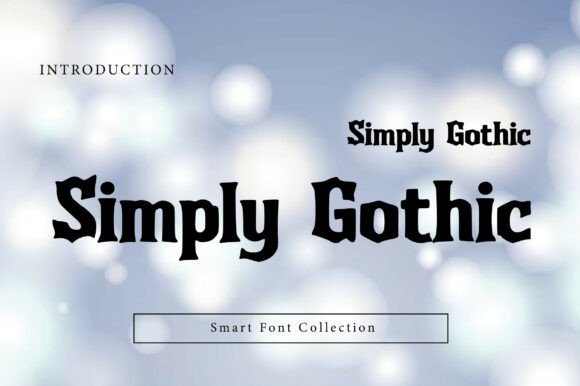
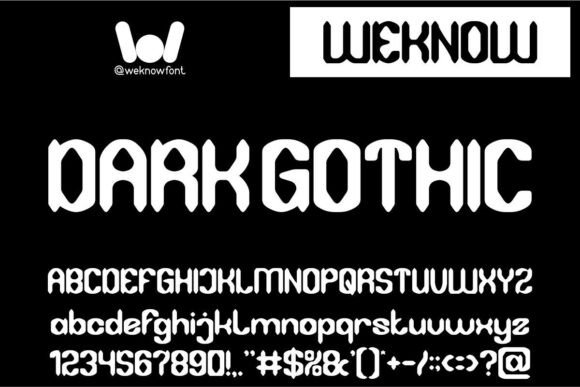
Typography often forces designers to choose between historical authenticity and modern readability. Traditional blackletter can feel imposing or archaic, while contemporary sans-serifs sometimes lack the necessary character for niche branding. Dark Gothic resolves this tension by merging neo-Gothic pop aesthetics with a friendly, cartoonish sensibility. It is an avant-garde typeface that retains the structural integrity of classic Gothic scripts but softens the delivery through rounded edges and intuitive geometry. For creators aged twenty to fifty navigating the intersection of alternative culture and commercial design, this font offers a versatile tool that communicates edge without alienating the audience.
Redefining the Gothic Aesthetic
The primary strength of Dark Gothic lies in its approachability. Where traditional Fraktur or Textura scripts demand significant cognitive effort to decipher, this typeface prioritizes legibility. The letterforms maintain the vertical stress and angular rhythm associated with Gothic typography, yet the terminals are softened. This subtle modification transforms the mood from severe to inviting. It captures the essence of "cartoon Gothicism," a style that acknowledges subcultural roots while adapting them for broader visual consumption.
This balance makes it exceptionally useful for projects that need to signal alternative identity without sacrificing professional polish. The rounded edges act as a visual buffer, allowing the font to function effectively in contexts where standard blackletter would be too aggressive. It is not merely a novelty display font; it is a functional design element built for contemporary media landscapes where attention spans are short and visual clarity is paramount.
Strategic Applications in Branding and Apparel
In the realm of corporate and personal branding, distinctiveness is currency. Dark Gothic provides an indelible imprint for logos and identity systems, particularly for businesses operating within creative, musical, or lifestyle sectors. Its unique silhouette ensures high recognizability even at smaller sizes, a critical factor for social media avatars and favicon design. When used in apparel design, the typeface bridges the gap between streetwear and high fashion. It reads clearly on merchandise ranging from embroidered caps to oversized hoodies, maintaining its structural integrity across various printing and weaving techniques.
- Logo Design: Ideal for bands, tattoo studios, craft breweries, and alternative fashion labels seeking a signature look that feels established yet fresh.
- Merchandise: The friendly weight of the strokes ensures the text remains legible on textured fabrics and dark backgrounds common in gothic apparel.
- Packaging: Adds artisanal credibility to products like vinyl records, specialty coffees, or indie cosmetics without looking like a generic Halloween prop.
Elevating Editorial and Entertainment Media
Narrative-driven industries benefit significantly from typography that sets a tone before a single word is read. For music albums, movie posters, and gaming interfaces, Dark Gothic serves as an immediate genre signifier. It suggests mystery and depth but avoids the cliché horror tropes that can date a design quickly. In magazine layouts and book covers, it functions excellently as a headline typeface, creating a strong hierarchy that guides the reader’s eye while reinforcing the publication's thematic voice.
The typeface’s versatility extends to digital entertainment. Game developers and UI designers will find that its rounded construction pairs well with modern interface elements. It avoids the pixelation issues often associated with sharp-edged blackletter fonts on screens, ensuring that menu titles and achievement notifications remain crisp. This technical reliability, combined with its stylistic flair, makes it a practical choice for immersive world-building where typography must support rather than distract from the user experience.
Enhancing Comics and Digital Content Creation
Comic artists and illustrators face the constant challenge of integrating text with art. Dark Gothic was designed with this synergy in mind. Its cartoon-influenced proportions allow it to sit naturally within speech bubbles, sound effects, and caption boxes without fighting against hand-drawn linework. Unlike rigid historical revivals, it possesses a dynamic energy that matches the fluidity of sequential art. This makes it invaluable for graphic novels, webcomics, and zines that explore dark fantasy, horror-comedy, or alternative slice-of-life genres.
For content creators on YouTube and Instagram, consistency builds community. Using Dark Gothic in thumbnails, channel banners, and story templates creates a cohesive visual language that followers instantly recognize. The font’s bold personality performs well in the compressed, fast-scrolling environment of social feeds. It grabs attention through shape and contrast rather than sheer size, helping creators maintain aesthetic integrity even when platform algorithms resize their assets. Educators and bloggers discussing alternative history, art theory, or subculture can also utilize the typeface to add visual interest to headers, breaking up dense text while staying on theme.
Practical Implementation Guidelines
While Dark Gothic is versatile, it requires thoughtful application to achieve optimal results. As with any display typeface, restraint is key. It excels in headlines, titles, and short bursts of text but should generally be avoided for extended body copy. Pairing it with a clean, neutral sans-serif or a highly legible serif for body text creates a balanced layout that honors the Gothic header without exhausting the reader. Consider the negative space; the intricate forms of blackletter require breathing room to prevent visual clutter, especially in digital environments.
- Test Across Mediums: Always preview the font at actual output size. What looks elegant on a 27-inch monitor may become muddy on a business card or mobile screen.
- Mind the Contrast: Dark Gothic thrives on high contrast. Use light text on dark backgrounds or vice versa to maximize the impact of the rounded edges.
- Avoid Over-Styling: Let the typeface speak for itself. Excessive drop shadows, outlines, or texture overlays can negate the friendly, modern qualities that define its character.
- Check Licensing: Ensure your license covers intended commercial uses, particularly for apparel and digital products, to avoid legal complications down the line.
Selecting the right typeface is an exercise in communication strategy. Dark Gothic succeeds because it understands that modern audiences appreciate historical references only when they are translated into a contemporary visual language. It offers professionals, hobbyists, and entrepreneurs a way to infuse their work with the aura of the avant-garde while maintaining the usability required for real-world application. Whether etching a captivating story in a graphic novel or defining the visual identity of a new brand, this typeface proves that darkness and friendliness are not mutually exclusive—they are simply a matter of design.