Evaluating Stone Retro for Vintage Design Projects
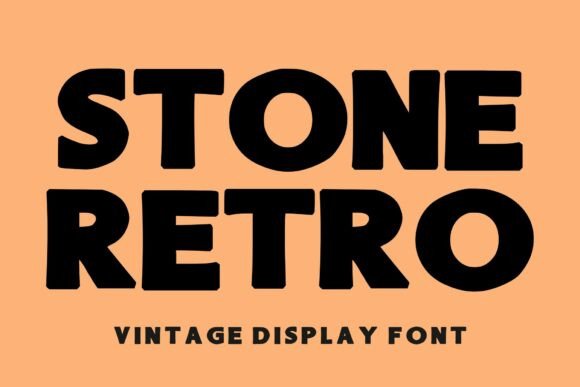
Selecting the appropriate typeface is a critical decision in graphic design, particularly when aiming to evoke a specific historical era or emotional response. Stone Retro is a bold vintage display font characterized by thick letterforms and a slightly rugged aesthetic. It presents a distinct visual profile that balances confident geometry with nostalgic texture. For designers, brand managers, and marketers evaluating typography options, understanding the functional capabilities and limitations of Stone Retro is essential. This assessment explores where this typeface excels, where it falls short, and how to determine if it aligns with specific project requirements.
Defining the Visual Character of Stone Retro
Stone Retro is classified as a display typeface, meaning it is engineered primarily for large-scale visibility rather than extended reading. Its design language draws heavily from mid-20th-century signage and industrial printing techniques. The defining feature is its weight; the letterforms are substantially thick, providing high contrast against backgrounds and ensuring legibility at a distance. Unlike polished, digital-first retro revivals, Stone Retro incorporates a rugged texture that mimics the imperfections of analog printing processes, such as letterpress or screen printing.
This combination of bold structure and textured finish creates a dual impression. The heavy strokes convey strength, stability, and confidence, while the distressed edges introduce warmth and authenticity. When evaluating this font, it is important to recognize that it is not merely a stylistic overlay but a structural choice that dictates the hierarchy and tone of a layout. It commands attention immediately, functioning as an anchor element in posters, packaging, and branding materials.
Strategic Applications and Ideal Use Cases
The utility of Stone Retro is best understood through specific application scenarios. Because of its strong personality, it performs optimally in contexts where immediate visual impact is necessary. Designers should consider this typeface for projects requiring a classic-themed identity without appearing sterile or overly refined.
- Headlines and Titling: The font’s weight makes it suitable for main titles on posters, album covers, and editorial spreads. It holds up well when scaled significantly, maintaining clarity without losing its characteristic texture.
- Brand Logos and Wordmarks: For brands in industries like craft brewing, artisanal coffee, outdoor apparel, or heritage goods, Stone Retro provides instant semantic signaling. It communicates tradition and craftsmanship visually before the viewer processes the text itself.
- Packaging Design: On product labels and boxes, the rugged aesthetic suggests tactile quality and organic origins. It pairs effectively with matte papers and uncoated stocks, reinforcing the physical experience of the product.
- Signage and Environmental Graphics: The bold forms remain legible in low-light conditions or from varying distances, making it practical for storefronts, event banners, and wayfinding systems that utilize a vintage motif.
In these situations, Stone Retro serves as more than decoration; it acts as a functional communication tool that reinforces brand values through typographic association.
Tradeoffs and Practical Limitations
While Stone Retro offers significant stylistic benefits, objective evaluation requires acknowledging its constraints. Display fonts with heavy weights and textured details present specific challenges that can hinder a project if not managed correctly.
Legibility at Small Sizes: The rugged texture and thick strokes that define Stone Retro become liabilities at smaller point sizes. Below a certain threshold, the distressed edges may blur, and the negative space within letters can fill in, reducing readability. It is generally unsuitable for body copy, captions, or fine print.
Visual Dominance: This typeface has a loud visual voice. Using it for multiple hierarchical levels (e.g., headlines, subheads, and pull quotes) can create a monotonous and overwhelming layout. It typically requires pairing with neutral, highly legible sans-serif or serif typefaces to establish balance and guide the reader’s eye.
Contextual Specificity: Stone Retro carries strong historical connotations. While effective for heritage or nostalgia-driven projects, it may feel out of place for technology, finance, healthcare, or luxury sectors that prioritize modernity, precision, or minimalism. Misapplying this aesthetic can create cognitive dissonance between the brand message and the visual presentation.
Digital Rendering Considerations: Textured display fonts can sometimes render inconsistently across different screens and operating systems. Designers must test Stone Retro across various devices to ensure the rugged details do not artifact or pixelate unintentionally in web environments.
Comparing Alternatives and Decision Criteria
Determining whether Stone Retro is the correct choice involves comparing it against other typographic options. If the primary goal is clean, modern nostalgia without the grunge, a geometric sans-serif with vintage proportions might be preferable. Conversely, if the project requires intricate ornamentation or script-like fluidity, Stone Retro’s blocky rigidity will likely be insufficient.
Designers should evaluate the following criteria when making a final selection:
- Target Audience Expectations: Does the audience associate rugged, bold typography with authenticity and quality, or with outdated aesthetics? Market research and mood board testing can validate whether Stone Retro resonates with the intended demographic.
- Medium and Reproduction Quality: Consider the final output method. High-resolution printing preserves the subtle textures of Stone Retro, whereas low-quality reproduction or aggressive compression may degrade the details. If the primary medium is small-screen mobile display, a cleaner alternative may offer better performance.
- Brand Longevity vs. Trend Cycle: Vintage styles cycle through popularity. Evaluate whether the brand needs a timeless anchor or a trendy accent. Stone Retro’s specific interpretation of retro style leans toward timelessness due to its foundational geometry, but it still signals a particular era. Ensure this aligns with long-term brand strategy.
- Licensing and Technical Compatibility: Verify that the licensing terms cover all intended uses, including web embedding, app usage, and merchandise. Additionally, check for comprehensive character sets, including numerals, punctuation, and special characters, to avoid workflow disruptions during production.
Implementation Best Practices
If Stone Retro is selected, proper implementation maximizes its strengths while mitigating weaknesses. Hierarchy is paramount; reserve this typeface for the most critical messaging. Allow ample whitespace around the letterforms to prevent the layout from feeling claustrophobic. The bold nature of the font requires breathing room to maintain its confident character.
Color selection also influences perception. High-contrast color combinations (such as cream on charcoal or navy on rust) enhance legibility and reinforce the vintage atmosphere. Avoid placing Stone Retro over busy photographic backgrounds without sufficient overlay or masking, as the texture can compete with image detail.
Ultimately, Stone Retro is a specialized tool. It delivers powerful visual impact and nostalgic charm for projects that demand presence and personality. However, its success depends entirely on disciplined application. By weighing its bold aesthetic against practical legibility concerns and contextual fit, designers can make informed decisions that serve both the creative vision and the functional needs of the project. When used with intention, it transforms standard layouts into compelling visual statements; when used without restraint, it risks obscuring the message it intends to convey.