Claoond: Mastering the Art of Modern Luxury Typography
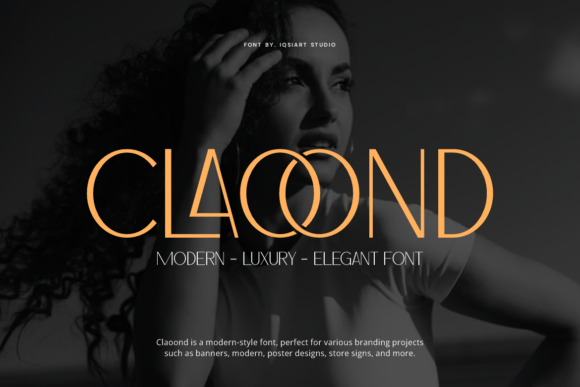
Add a touch of contemporary sophistication to your designs with Claoond, a high-end luxury display font that defines modern elegance. In an era where visual noise often drowns out brand messaging, this typeface offers a refreshing return to precision and rhythm. However, selecting a distinctive display font is only half the battle; understanding how to wield its specific geometric nuances is what separates amateur layouts from professional editorial work. Claoond is characterized by slender lines and unique interlocking characters, but these features require intentional handling to avoid looking cluttered or illegible.
Understanding the Geometric Rhythm
The defining feature of the Claoond typeface is its graceful circular O that nests perfectly within adjacent letters. This creates a rhythmic and artistic visual flow that feels bespoke rather than generated. Many designers make the mistake of treating this nesting capability as a novelty rather than a structural element. When you force connections where they do not naturally sit, or when you overuse ligatures in a single line, the elegance quickly devolves into visual confusion.
To maintain the intended quiet luxury aesthetic, treat the interlocking characters as focal points, not default settings. Use them sparingly to guide the eye across a headline or logo lockup. If every letter pair is fighting for attention through complex ligatures, the reader’s brain has nowhere to rest. The most effective use of Claoond allows the negative space to breathe, letting the geometry speak without shouting.
Common Pitfalls in Minimalist Environments
This font is designed to excel in minimalist environments, yet this is precisely where many users stumble. There is a misconception that "minimalist" means simply placing thin text on a white background. True minimalism with Claoond requires active composition. Because the strokes are slender, they can disappear against busy textures or low-resolution screens if not given adequate contrast.
- Avoid Low-Contrast Backgrounds: Placing light gray Claoond text on a white background may look subtle on a high-end monitor, but it will vanish on mobile devices or printed paper. Always test your color combinations at 50% opacity to ensure legibility remains intact.
- Respect the X-Height: Due to the slender construction, reducing the point size too aggressively destroys the character shapes. Do not use this typeface for body copy or captions below 14pt (or equivalent web sizing). It is strictly a display face.
- Beware of Tight Tracking: While some display fonts benefit from tight kerning, Claoond’s nesting mechanics rely on precise spacing. Manually tightening tracking beyond the font’s built-in metrics will cause the circular Os to collide awkwardly rather than nest gracefully.
Pairing Strategies for Editorial Impact
Claoond pairs exceptionally well with high-contrast photography and muted color palettes to achieve an editorial, quiet luxury aesthetic. A frequent error occurs when designers pair this geometric display font with other decorative serifs or scripts. This creates a stylistic conflict that dilutes the premium feel. The typeface already carries significant personality; your supporting typography should be invisible.
For magazine layouts or upscale storefront signage, anchor Claoond with a neutral, robust sans-serif like Helvetica Now, Inter, or Grotesk. The weight of the supporting font provides the necessary foundation for Claoond’s delicate lines. When designing for luxury skincare brands or modern architectural firms, let the photography provide the texture while Claoond provides the structure. If your background image is highly detailed, consider using a solid color block behind the text to preserve the integrity of those slender geometric lines.
Navigating PUA Encoding and Accessibility
With PUA (Private Use Area) encoding included, all special characters and decorative elements are easily accessible without additional software. This is a massive advantage for freelancers and small business owners who may not have access to advanced OpenType feature panels in basic design tools. However, accessibility is often overlooked when utilizing PUA characters.
Screen readers cannot interpret PUA glyphs. If you use a decorative ligature or alternate character as part of a functional navigation menu or essential contact information, visually impaired users will hear nothing or garbled audio. Always ensure that any stylized text used in web headers has proper alt text or aria-labels. For print media, this is less critical, but for digital portfolios and cinematic titles released online, semantic HTML must support the visual flair.
Application-Specific Considerations
Whether you are designing for a luxury skincare brand or a modern architectural firm, this typeface provides a timeless blend of style and clarity. Yet, context dictates execution. What works for a static billboard may fail in motion graphics.
Cinematic Titles and Motion
When using Claoond for cinematic titles, remember that slender lines can flicker or alias during video compression. Always render text at a higher resolution than your final output and apply a slight blur or glow in post-production to stabilize the edges. The interlocking characters can also create distracting moiré patterns if animated too quickly against certain backgrounds. Test your title sequences on compressed formats before finalizing.
Wedding Invitations and Print
For elegant wedding invitations, paper choice matters as much as digital file preparation. Thin hairlines can break up on uncoated or textured papers during printing. If you plan to use Claoond on cotton or linen stock, request a proof first. You may need to increase the stroke weight slightly via outline manipulation to compensate for ink absorption. Digital proofs rarely reveal this issue until it is too late.
Evaluating Fit Before Purchase
Before adding Claoond to your library, assess whether your current project truly demands this level of typographic specificity. Ask yourself these practical questions:
- Does the brand voice match the geometry? Claoond conveys grace and precision. It is ill-suited for rugged, playful, or organic brands. Using it outside its lane makes the design feel disjointed.
- Do you have the layout skills to support it? This font requires manual kerning adjustments and thoughtful hierarchy. If you need a set-and-forget solution for rapid social media templates, a more forgiving grotesque might serve you better.
- Is the licensing appropriate? Verify that your license covers all intended mediums. Desktop licenses rarely cover web embedding or app usage. Ensuring compliance upfront prevents costly rebranding later.
Ultimately, Claoond is a tool for creators who understand that luxury lies in restraint. By avoiding common pitfalls regarding spacing, pairing, and technical application, you transform this typeface from a mere font choice into a definitive brand asset. Approach it with respect for its geometry, and it will reward your designs with unparalleled sophistication.