Evaluating Lanyno for Sustainable and Wellness Brand Identity
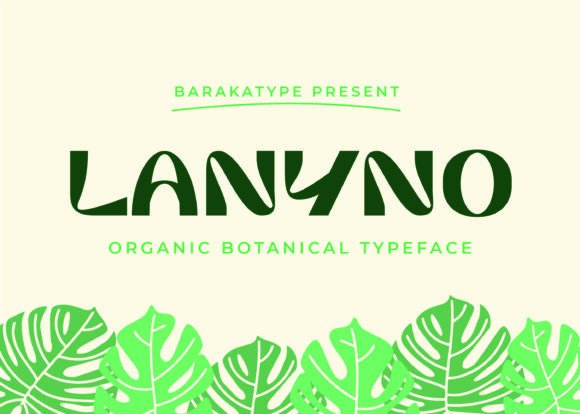
Selecting typography for eco-conscious and wellness brands requires navigating a delicate balance. The typeface must communicate organic authenticity without appearing unprofessional or overly rustic. Lanyno has emerged as a notable option in this specific niche, designed explicitly to capture a wholesome, nature-inspired aesthetic through soft, leaf-like curves and fluid movement. For designers and brand managers comparing display font options, understanding where Lanyno fits within the broader typographic landscape is essential for making an informed resource allocation decision.
Lanyno is classified as an organic display font, a category distinct from standard serifs or geometric sans-serifs. Its primary differentiator is the intentional irregularity in its stroke terminals and curves. Unlike digital-first fonts that prioritize mathematical precision, Lanyno mimics the imperfections found in hand-lettering and natural forms. This structural choice directly influences user perception, signaling warmth and approachability before the viewer even processes the semantic meaning of the text. When evaluating this typeface, it is helpful to view it not just as a stylistic choice, but as a functional tool for establishing immediate emotional resonance in sustainable packaging, lifestyle editorials, and holistic health branding.
Distinguishing Organic Display Fonts from Rustic Alternatives
A common point of confusion in sustainable design is the distinction between "organic" and "rustic." While both categories aim to convey naturalness, they serve different strategic purposes. Rustic typography often relies on distressed textures, rough edges, and vintage aesthetics to suggest heritage or tradition. In contrast, Lanyno and similar organic display fonts focus on fluidity and softness rather than age or wear.
This distinction matters significantly for modern wellness brands. A skincare line focusing on biotechnology derived from plants may find rustic fonts contradictory to their message of scientific purity. Lanyno offers a cleaner alternative that retains earthy warmth without the visual noise of grunge or distress effects. The curves are gentle but legible, making it suitable for contemporary layouts that need to feel grounded yet refined. When comparing options, assess whether your brand narrative leans toward historical tradition (rustic) or living, breathing vitality (organic). Lanyno is optimized for the latter.
Assessing Legibility and Functional Limitations
The very features that make Lanyno effective for headlines also dictate its limitations. As a display typeface, it is engineered for large-scale application. The intricate details of the leaf-like curves and the varying stroke widths can degrade significantly at small sizes. Readers evaluating this font must recognize that it is rarely a standalone solution for an entire brand identity system.
- Headline Performance: Lanyno excels at 24pt and above, where the organic nuances remain crisp and intentional.
- Body Copy Incompatibility: At text sizes below 14pt, the decorative elements reduce readability and increase cognitive load.
- Pairing Requirements: Successful implementation necessitates pairing with a neutral sans-serif or a highly legible serif for body content.
- Digital Rendering: On low-resolution screens, fine organic details may alias; testing across target devices is mandatory.
If your project requires a single typeface family to handle everything from billboard headlines to ingredient lists, Lanyno will likely be insufficient. It is a specialist tool, not a generalist workhorse. Decision-makers should budget for a secondary typeface license or utilize open-source alternatives for supporting text to ensure the overall layout remains functional.
Comparative Fit: When to Choose Lanyno Over Other Styles
In the evaluation phase, it is practical to compare Lanyno against other prevalent typographic styles used in the wellness and sustainability sectors. Each style carries inherent associations that can either support or undermine your messaging goals.
Versus Geometric Sans-Serifs
Geometric sans-serifs are the default for many modern eco-brands due to their cleanliness and perceived neutrality. They suggest efficiency, transparency, and modernity. However, they can sometimes feel sterile or clinical, lacking the tactile warmth associated with natural products. Lanyno provides a corrective to this sterility. If your brand feedback indicates that current designs feel "too corporate" or "cold," shifting headlines to an organic display font can reintroduce humanity without sacrificing professionalism. Conversely, if clarity and data-driven trust are paramount, a geometric sans may still be the superior primary choice, with Lanyno reserved strictly for accent moments.
Versus Handwritten Scripts
Handwritten scripts offer maximum personalization but carry significant risks regarding legibility and tone. Scripts can inadvertently signal "craft fair" or "amateur" if not executed perfectly. Lanyno occupies a middle ground: it possesses the fluid gesture of handwriting but maintains the structural consistency of a manufactured typeface. For brands that want to feel personal but need to scale across international markets and diverse media formats, Lanyno offers a safer, more reproducible alternative to custom lettering or casual scripts.
Versus Traditional Serifs
Traditional serifs convey authority, history, and established trust. They are excellent for heritage tea brands or long-standing botanical gardens. However, for new ventures in regenerative agriculture, clean beauty, or mental wellness, traditional serifs can feel heavy or outdated. Lanyno’s open counters and rounded terminals project optimism and forward-thinking gentleness. The choice here depends on temporal positioning: use serifs to honor the past, and organic display fonts like Lanyno to embody a living, evolving present.
Practical Application and Integration Strategies
Understanding the theoretical fit is only half the evaluation process. Practical integration determines whether the investment yields returns. Based on observed use cases in sustainable packaging and lifestyle layouts, certain application strategies maximize Lanyno’s strengths while mitigating its weaknesses.
- Sustainable Packaging Hierarchy: Use Lanyno for the product name or key benefit statement (e.g., "Cold-Pressed," "Regenerative"). Pair it with a minimalist monospaced or grotesque sans-serif for regulatory text and ingredients. This contrast highlights the organic claim visually while maintaining compliance readability.
- Web Hero Sections: Implement Lanyno in web headers with generous line-height and letter-spacing. Organic fonts often have taller ascenders and deeper descenders; tight spacing can cause visual collisions that negate the sense of calm.
- Color Interaction: Test the font in your specific color palette. Organic curves interact differently with dark backgrounds versus light ones. On dark green or charcoal, ensure sufficient weight to prevent the thin strokes from disappearing.
- Motion and Animation: If using the font in video or animated web elements, the fluid structure of Lanyno lends itself well to reveal animations that mimic growth or unfurling, reinforcing the natural theme through motion design.
Decision Factors for Resource Allocation
Ultimately, selecting Lanyno involves weighing specific tradeoffs against project requirements. Use the following framework to finalize your evaluation.
Choose Lanyno if:
- Your primary goal is to evoke sensory warmth, safety, or natural rhythm.
- You already possess a robust body copy typeface and specifically need a headline solution.
- Your audience values authenticity and tactile experience over corporate precision.
- The application is primarily large-format print, packaging, or high-resolution digital displays.
Seek Alternatives if:
- You require a single-variable font family for a complex UI/UX system.
- Your brand voice is technical, clinical, or luxury-minimalist rather than wholesome.
- Budget constraints prevent licensing multiple typefaces for hierarchy management.
- Accessibility standards demand maximum character differentiation at small sizes.
Typography acts as the silent ambassador of brand intent. Lanyno serves a specific, valuable function within the ecosystem of sustainable design, offering a bridge between natural aesthetics and professional execution. By recognizing it as a specialized display tool rather than a universal solution, designers can leverage its unique organic qualities to create identities that feel genuinely rooted in the values they represent. Careful comparison against project-specific needs, rather than trend adherence, ensures the selected typeface supports both the visual identity and the functional demands of the end user.