Sideway Font: Elegant Script for Luxury Design
In the crowded landscape of digital typography, finding a script font that feels genuinely human rather than algorithmically generated is a distinct challenge. Sideway emerges as a sophisticated solution for designers and creators who require the nuance of traditional calligraphy within a functional digital typeface. It is an elegant and fluid handwritten script that captures the essence of modern sophistication without sacrificing readability or structural integrity. Unlike many decorative fonts that prioritize ornamentation over utility, Sideway balances artistic expression with practical application, making it a versatile tool for high-end visual communication.
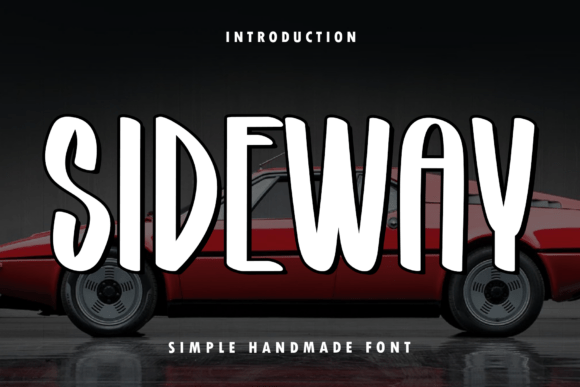
The defining characteristic of Sideway is its rhythmic flow. The letterforms are constructed with graceful, high-contrast strokes that mimic the pressure variation of a physical nib pen. Sweeping loops and fine, tapering terminals create a sense of movement across the baseline, while the expansive horizontal presence gives the text room to breathe. This deliberate spacing and the delicate connections between characters provide a personalized aesthetic that feels bespoke rather than mass-produced. For professionals working in luxury markets, this distinction is critical; the typography must convey exclusivity and intentionality before the viewer even reads the message.
Elevating Wedding Stationery and Event Branding
The wedding industry demands a level of typographic refinement that few other sectors require. Sideway serves as an exceptional primary typeface for invitations, save-the-dates, and place cards where the goal is to set an emotional tone immediately. Its natural handwritten flow suggests intimacy and care, signaling to guests that the event has been curated with attention to detail. However, successful implementation requires restraint. Because Sideway possesses such strong personality and intricate ligatures, it functions best when used selectively.
Consider using Sideway exclusively for the names of the couple or the venue on an invitation suite, pairing it with a clean, minimal sans-serif or a classic serif for logistical details like dates, times, and addresses. This contrast ensures legibility while allowing the script to shine as a focal point. For intimate event branding beyond weddings, such as gala dinners or corporate retreats, the font adds a layer of warmth to formal materials. On menu cards or welcome signage, the sweeping loops guide the eye naturally, creating a reading experience that feels conversational yet elevated. The key is to treat the font as a graphic element in itself, allowing ample negative space around the text block to prevent visual clutter.
Editorial Signatures and Lifestyle Photography
In editorial design and content creation, establishing a recognizable visual signature is essential for brand recall. Sideway offers a distinctive voice for magazines, blogs, and social media overlays that target a sophisticated demographic. When used as a recurring element in lifestyle photography, the font acts as a watermark of quality. Its fine terminals and high contrast remain visible against complex photographic backgrounds without overpowering the image, provided there is sufficient tonal contrast between the text and the photo.
For influencers, photographers, and publishers, consistency builds trust. Using Sideway as a standardized overlay for quotes, captions, or title cards creates a cohesive feed or publication layout. The font’s modern sensibility prevents it from looking dated, while its handcrafted roots maintain authenticity. When applying Sideway to images, consider the composition carefully. Place the text in areas of negative space within the photograph, such as a clear sky or a blurred foreground, to ensure the intricate letterforms are not lost in visual noise. This practical approach to layering transforms generic stock imagery or personal photos into branded assets that feel intentional and polished.
Practical Pairing and Hierarchy Strategies
A common pitfall when working with expressive scripts is the temptation to use them for extended body copy. Sideway is designed for display purposes, headlines, and short phrases. To maintain clarity and effectiveness, you must establish a strong typographic hierarchy. The expansive nature of Sideway means it occupies significant horizontal space, so it pairs exceptionally well with condensed typefaces or geometric sans-serifs that can anchor the layout.
- Contrast Weight: Pair Sideway with ultra-light or bold weights in supporting fonts. Avoid medium-weight serifs that may compete with the script's own stroke contrast.
- Scale Variation: Use Sideway at larger sizes to showcase the fine details of the terminals and connections. At small sizes, these delicate features can disappear or become muddy in print.
- Color Restraint: Let the form of the letters provide the decoration. Solid colors often work better than gradients or textures, which can distract from the fluidity of the script.
- Alignment Balance: Center alignment works naturally with Sideway due to its symmetrical flow, but left-aligned layouts can create a dynamic tension when paired with structured grid systems.
By adhering to these pairing principles, designers ensure that the elegance of Sideway enhances the overall design system rather than disrupting it. The goal is always communication first, aesthetics second. When the typography supports the message clearly, the beauty of the font becomes a functional asset.
Adapting for Digital and Print Contexts
The technical execution of Sideway varies significantly between screen and paper. In print applications like luxury packaging or embossed stationery, the fine tapering terminals translate beautifully, especially when utilizing spot UV or foil stamping techniques. The physical impression adds tactile depth that complements the visual rhythm of the typeface. Designers should consult with their printers regarding minimum line weights to ensure the thinnest parts of the script do not break during the production process.
Digital environments present different challenges. On screens, particularly mobile devices, high-contrast scripts can suffer from pixelation or rendering issues. When using Sideway for web headers or social graphics, test the font at various viewport sizes. You may need to adjust tracking slightly looser than in print to improve screen readability. For entrepreneurs and small business owners building e-commerce sites, Sideway can be effective for category headers or promotional banners, but avoid using it for navigation menus or product descriptions. User experience must remain paramount; if a customer cannot quickly scan a menu or read a price, the elegance of the font becomes a liability.
Maintaining Authenticity in Commercial Design
One of the most valuable aspects of Sideway is its ability to bridge the gap between commercial viability and artistic authenticity. In an era where consumers are increasingly skeptical of overt marketing, typography that feels human-written carries inherent trust. Marketers and brand strategists can leverage this by using Sideway in contexts that emphasize storytelling and personal connection. Testimonials, founder notes, and limited-edition announcements benefit from this organic aesthetic.
However, authenticity requires appropriate usage. Avoid using Sideway in contexts that demand strict neutrality or urgent information delivery, such as legal disclaimers, warning labels, or data-heavy tables. The font’s personality is specific; forcing it into incompatible roles dilutes its impact and confuses the audience. Instead, reserve Sideway for moments where you want the viewer to pause and appreciate the craft. Whether you are a freelancer designing a portfolio, an educator creating engaging course materials, or a boutique owner refining your packaging, the disciplined application of this typeface signals professionalism and taste.
Ultimately, Sideway is more than a collection of glyphs; it is a design instrument for conveying value. By understanding its structural nuances and respecting its limitations, creators can produce work that stands out through refinement rather than volume. The result is design that feels timeless, purposeful, and distinctly human.