Golden Useful: A Guide to Warm, Hand-Drawn Typography
In the vast landscape of digital typography, finding a typeface that genuinely feels human can be a challenge. While clean sans-serifs and traditional serifs dominate professional layouts, there is a distinct category of design work that demands personality, warmth, and approachability. This is where Golden Useful enters the conversation. As a casual and creative font, it bridges the gap between polished design and the authentic charm of handwriting. For creators, business owners, and hobbyists looking to infuse their projects with a relaxed aesthetic, understanding the nuances of this typeface is essential for effective visual communication.
The Psychology of Round, Playful Strokes
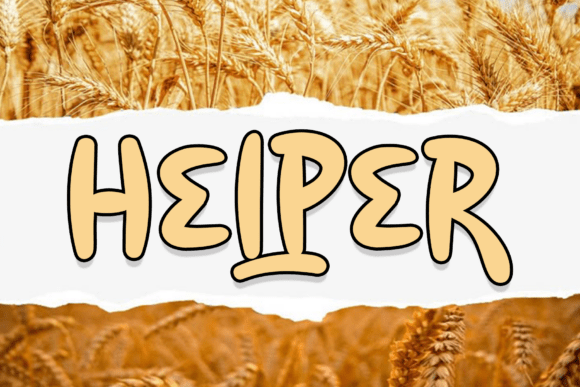
Typography is never just about reading words; it is about feeling them. The primary characteristic of Golden Useful is its round, playful strokes, which psychologically signal safety, friendliness, and informality. Unlike sharp, angular fonts that can convey urgency or corporate rigidity, the soft curves in this typeface create an immediate sense of relaxation. This is not accidental. The hand-drawn aesthetic mimics the natural imperfections of human writing, triggering a subconscious connection between the viewer and the creator.
When you choose this font for a project, you are making a deliberate statement. You are telling your audience that the content is personal, accessible, and welcoming. This makes it exceptionally valuable for brands or individuals trying to soften their image or connect on an emotional level. However, this warmth comes with specific contextual boundaries. Understanding when to leverage this playfulness—and when to opt for something more structured—is key to using Golden Useful effectively.
Technical Accessibility Across Design Platforms
One of the most practical aspects of modern display fonts is their compatibility with various design ecosystems. Golden Useful is equipped with standard PUA (Private Use Area) Encoded glyphs. For non-designers, this technical specification might sound obscure, but its implications are profoundly useful. PUA encoding ensures that special characters, ligatures, and alternates are accessible without requiring complex OpenType feature support.
This accessibility democratizes high-end typography. Whether you are working in professional software like Adobe Photoshop, Corel, or Adobe Illustrator, or utilizing consumer-friendly platforms like Canva, the font behaves consistently. In applications that do not have dedicated OpenType panels, users can still access the full range of decorative elements through character maps or glyph panels. This cross-platform reliability means that a social media manager designing in Canva and a print designer working in Illustrator can achieve the same charming, hand-drawn aesthetic without technical friction.
Navigating Glyphs and Alternates
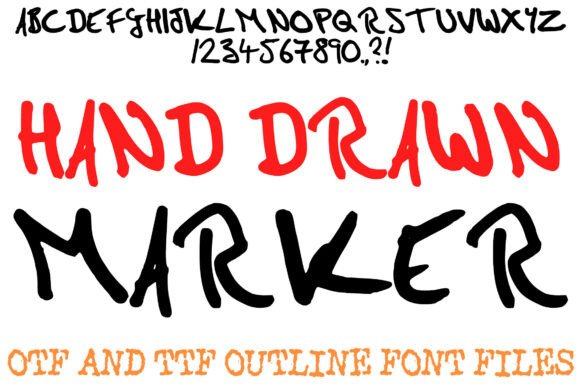
To truly maximize the value of Golden Useful, one must move beyond simple typing. The magic of hand-lettered fonts lies in their variation. Real handwriting never produces identical letters twice, and this font replicates that organic diversity. When composing headlines or logos, take time to explore the available alternates. Swapping a standard 'a' for a stylistic variant can prevent visual repetition and enhance the bespoke feel of the design. Because these glyphs are PUA encoded, they remain intact when files are shared or exported, preserving the integrity of your creative vision across different workflows.
Practical Applications and Real-World Scenarios
The versatility of Golden Useful shines brightest when applied to specific use cases. Its inherent characteristics make it a problem-solver for several common design challenges.
- Personal Stationery and Invitations: Wedding invitations, birthday cards, and thank-you notes rely heavily on tone. This font provides the elegance of calligraphy without the stiffness of formal script. It suggests that the event will be joyful and unpretentious.
- Social Media Graphics: In the fast-scrolling environment of Instagram or Pinterest, readability mixed with personality stops the scroll. Golden Useful works beautifully for quote overlays, announcement stories, and carousel headers where a friendly voice is paramount.
- Small Business Branding: For artisans, bakers, florists, and coaches, corporate fonts often feel alienating. This typeface aligns visually with businesses that sell handmade goods or personal services, reinforcing the "human behind the brand" narrative.
- Educational and Children’s Materials: The rounded forms are highly legible and non-threatening, making the font suitable for worksheets, classroom decor, and children's book titles where approachability aids engagement.
Evaluating Suitability: Strengths and Limitations
While Golden Useful is a powerful tool, it is not a universal solution. Adopting a people-first approach to design requires honest evaluation of whether a font serves the user's needs. There are distinct strengths and limitations to consider before integrating this typeface into a major project.
Where It Excels
The font’s greatest strength is its ability to establish intimacy at scale. It transforms digital pixels into something that feels tangible. If your goal is to reduce cognitive load and make the reader feel at ease, this typeface performs exceptionally well. It also pairs beautifully with minimalist sans-serif body text, creating a balanced hierarchy where the headline captures attention and the body copy delivers information efficiently.
Considerations and Constraints
Conversely, the very traits that make Golden Useful charming can become liabilities if misused. Hand-drawn fonts generally suffer from reduced legibility at small sizes or in long-form paragraphs. The intricate details and varying baselines that look delightful in a header can turn into visual noise in a footnote. It is strongly advised to reserve this font for display purposes—headlines, subheads, logos, and short captions.
Additionally, consider the context of authority. If you are designing for legal documents, financial reports, or medical instructions, the playfulness of Golden Useful may undermine the necessary perception of precision and seriousness. Always ask: Does this font support the trust my audience needs to have in this specific content? If the answer is ambiguous, it is safer to relegate this typeface to accent elements rather than primary communication channels.
Best Practices for Implementation
To ensure your experience with Golden Useful is productive, follow these practical guidelines derived from real-world application:
- Prioritize Hierarchy: Never let the decorative nature of the font overwhelm the message. Use it to guide the eye, not to distract it. Ensure there is sufficient contrast between Golden Useful and your supporting typefaces.
- Mind the Spacing: Hand-drawn fonts often require manual kerning adjustments. Because the strokes are organic, automatic tracking can sometimes create awkward gaps or collisions. Take the extra minute to adjust letter spacing manually for headlines to ensure optical balance.
- Test Across Mediums: A font that looks warm on a high-resolution monitor might lose its charm when printed on textured paper or viewed on a low-brightness mobile screen. Always prototype your design in its final intended environment.
- Leverage Color Psychology: The warmth of the font is amplified by color choices. Earth tones, pastels, and warm neutrals complement the hand-drawn aesthetic, while neon or stark black-and-white combinations can create intentional tension or dissonance. Choose colors that reinforce the friendly vibe unless you have a specific conceptual reason to subvert it.
The Value of Authenticity in Digital Design
Ultimately, the decision to use Golden Useful is a decision to prioritize authenticity. In an era increasingly dominated by AI-generated content and sterile corporate minimalism, audiences crave genuine human connection. This font offers a shortcut to that emotion, providing a visual texture that feels crafted rather than computed.
For professionals and creators, it represents more than just a stylistic choice; it is a strategic asset for building rapport. By understanding its technical foundations, respecting its limitations, and applying it with intention, you can harness the warmth of Golden Useful to create designs that are not only visually appealing but deeply resonant. Whether you are crafting a wedding invitation or launching a lifestyle brand, this typeface serves as a reminder that even in the digital realm, there is always room for a human touch.