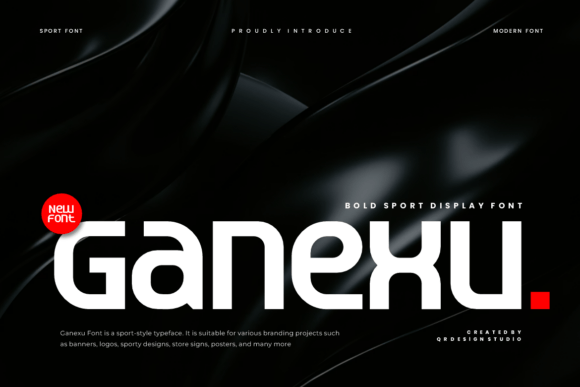
Evaluating Ganexu: A Practical Guide to Wide-Bodied Display Typography
Selecting the right display typeface is often a balancing act between aesthetic impact and functional legibility. For designers working in high-velocity sectors such as professional sports, automotive branding, or technology startups, Ganexu presents a distinct option within the wide-bodied geometric category. Engineered with an expansive horizontal presence and high-contrast weight, this typeface is designed to communicate speed, stability, and modernism. However, like any specialized design tool, it serves specific use cases better than others. Understanding where Ganexu fits within the broader typographic landscape requires an objective look at its structural characteristics, optimal applications, and inherent limitations compared to alternative styles.
Defining the Structural Characteristics of Ganexu
Ganexu distinguishes itself through a commitment to width and geometric precision. Unlike traditional grotesque sans-serifs that prioritize verticality for space efficiency, Ganexu embraces horizontal expansion. This "wide-body" architecture creates a low center of gravity, which psychologically conveys stability and authority. In practical terms, this makes the font exceptionally useful for logo design and headline treatments where the goal is to command attention without relying solely on excessive boldness or size.
The typeface features sharp geometric curves paired with high-contrast stroke weights. This combination avoids the sterile feel of purely mechanical fonts while maintaining a clean, professional edge. The contrast adds a layer of dynamism, suggesting motion even when the text is static. For designers evaluating this font, it is important to note that these traits are not merely decorative; they are functional attributes intended to improve recognition at a distance and on digital screens. The wide stance ensures that letterforms remain distinct even when scaled down for app interfaces or viewed rapidly in cinematic title sequences.
Comparing Wide Geometric Styles Against Alternatives
When researching display fonts, professionals often compare options across several categories. Ganexu occupies a specific niche that differs from other popular typographic approaches:
- Versus Extended Sans-Serifs: Many extended fonts are simply stretched versions of standard cuts, resulting in distorted proportions. Ganexu is drawn specifically for width, meaning the internal counters and stroke relationships are optically corrected for horizontal expansion. This results in superior readability compared to mechanically widened alternatives.
- Versus Traditional Sports Block Fonts: Classic athletic typography often relies on heavy, uniform strokes and slab serifs. While effective for heritage brands, these can feel dated in tech-forward contexts. Ganexu offers a similar sense of mass but utilizes modern geometry and contrast to align with contemporary luxury tech and e-sports aesthetics.
- Versus Humanist Sans-Serifs: Humanist typefaces offer excellent readability for body copy but often lack the assertive presence required for primary branding in competitive markets. Ganexu sacrifices some text-setting versatility to deliver significantly higher visual impact for headers and signage.
This comparison highlights that Ganexu is not a universal replacement for standard sans-serifs. Rather, it is a specialized instrument best evaluated against other display-first solutions where immediate visual communication is the priority.
Optimal Use Cases and Environmental Fit
The decision to implement Ganexu should be driven by the specific environmental and medium constraints of the project. Its design DNA aligns naturally with several key industries, though success depends on proper application.
Automotive and Performance Branding
In the automotive sector, typography must mirror the engineering values of the product. Ganexu’s aerodynamic curves and stable baseline make it suitable for vehicle badging, dealership signage, and performance marketing materials. The font’s width mimics the road-hugging stance of modern vehicles, creating a cohesive visual language between the machine and the brand identity. Designers should consider pairing it with metallic finishes or matte textures to enhance the premium industrial feel.
Digital Interfaces and Gaming Overlays
For UI/UX designers and streamers, screen real estate is precious. Paradoxically, wide fonts like Ganexu can be advantageous in digital spaces because they allow for shorter line lengths with larger, more legible characters. In gaming overlays or streaming graphics, the high contrast ensures visibility against complex, moving backgrounds. When used in app interfaces, it works best for navigation tabs, hero banners, and call-to-action buttons rather than dense informational text. The geometric clarity renders well on high-DPI displays, avoiding the blurring issues sometimes associated with intricate display faces.
Cinematic and Packaging Applications
Title sequences and product packaging require typefaces that can carry significant visual weight without overwhelming accompanying imagery. Ganexu’s authoritative tone supports dramatic storytelling in film intros, particularly in sci-fi, action, or documentary genres. On packaging, especially for energy drinks, tech hardware, or athletic gear, the font provides a shelf presence that competes effectively with established legacy brands. Its compatibility with vibrant neon palettes or stark monochrome schemes allows for flexible art direction depending on the target demographic.
Tradeoffs and Decision Factors
No typeface is without compromise. A balanced evaluation of Ganexu must acknowledge scenarios where it may not be the most efficient choice. Recognizing these tradeoffs prevents costly redesigns later in the production process.
Space Efficiency: The defining feature of Ganexu—its width—is also its primary limitation. In layouts with strict column widths or limited horizontal space, this typeface will require significantly more tracking adjustments or scaling than a condensed or standard proportion font. If your layout demands fitting long headlines into narrow containers, a condensed alternative may be more pragmatic.
Body Copy Legibility: High-contrast, wide geometrics are optimized for display sizes (typically 24pt and above). Using Ganexu for paragraph text, captions, or fine print is generally inadvisable. The wide character spacing and stroke contrast that work beautifully at large scales can reduce reading comfort and increase eye fatigue at small sizes. Most projects utilizing this font will require a secondary, neutral sans-serif for supporting text.
Tonal Specificity: Ganexu projects a very specific mood: fast, modern, and technical. It is less suited for brands aiming to convey tradition, warmth, organic craftsmanship, or academic seriousness. Attempting to force this aesthetic onto a heritage bakery or a law firm would likely create cognitive dissonance for the audience. The font is a strong signal; ensure that signal matches your brand’s actual message.
Technical Considerations for Implementation
When integrating Ganexu into a design system, consider the following technical factors to ensure consistent performance:
- Kerning and Tracking: Wide fonts often require tighter tracking at massive display sizes to maintain word cohesion, but looser tracking at smaller header sizes to preserve openness. Test multiple optical sizes before finalizing style guides.
- Color Contrast Ratios: Due to the high contrast within the letterforms themselves, ensure sufficient color contrast against the background. Thin sections of the glyphs may disappear on low-contrast backgrounds, compromising accessibility standards.
- Cross-Platform Rendering: Verify how the geometric curves render across different operating systems and browsers. Sharp corners and precise curves can sometimes alias differently on Windows versus macOS, requiring hinting adjustments or fallback strategies for web implementations.
Making the Final Selection
Ganexu represents a mature evolution of the wide geometric display genre. It offers a compelling solution for designers who need to articulate velocity, modernity, and authority without resorting to clichéd or outdated typographic tropes. Its strengths lie in its deliberate proportions, optical corrections for horizontal expansion, and versatility across both physical and digital mediums.
However, the choice to adopt this typeface should be rooted in functional necessity rather than trend adherence. Evaluate your project’s spatial constraints, readability requirements, and tonal goals against the characteristics outlined above. If your objective is to create a stable, high-impact visual identity in a competitive, forward-looking market, Ganexu warrants serious consideration. If your needs lean toward space efficiency, extended reading comfort, or traditional warmth, exploring alternative categories will yield better results. Ultimately, successful typography selection is about matching the tool’s inherent capabilities to the specific demands of the communication challenge at hand.